
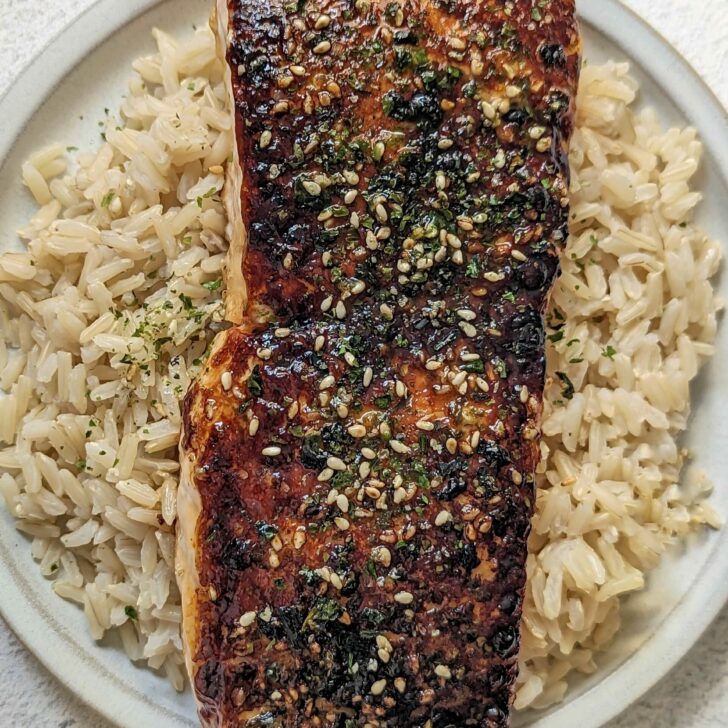
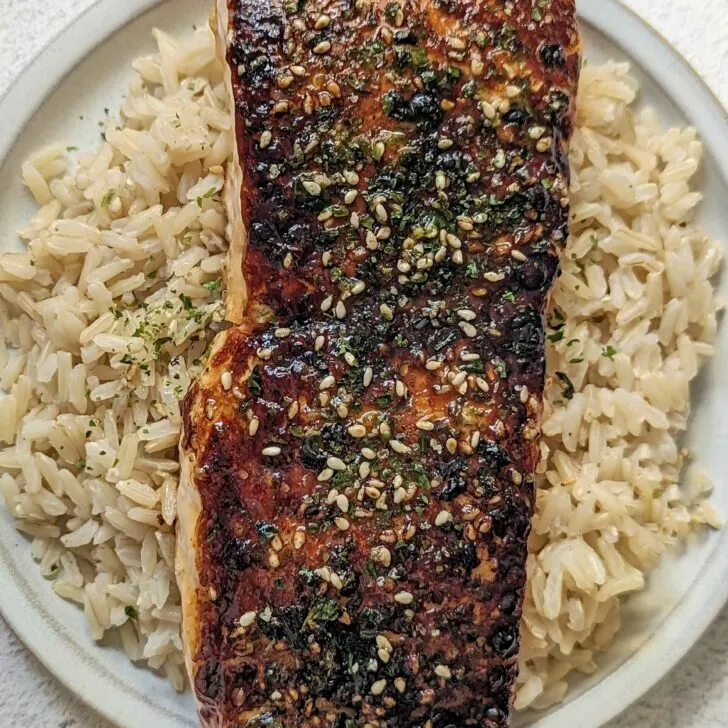
Don’t let the simplicity of furikake salmon fool you – this healthy baked salmon meal is bursting with flavor and ready to go in 30 minutes!
Why You’ll Love This Recipe
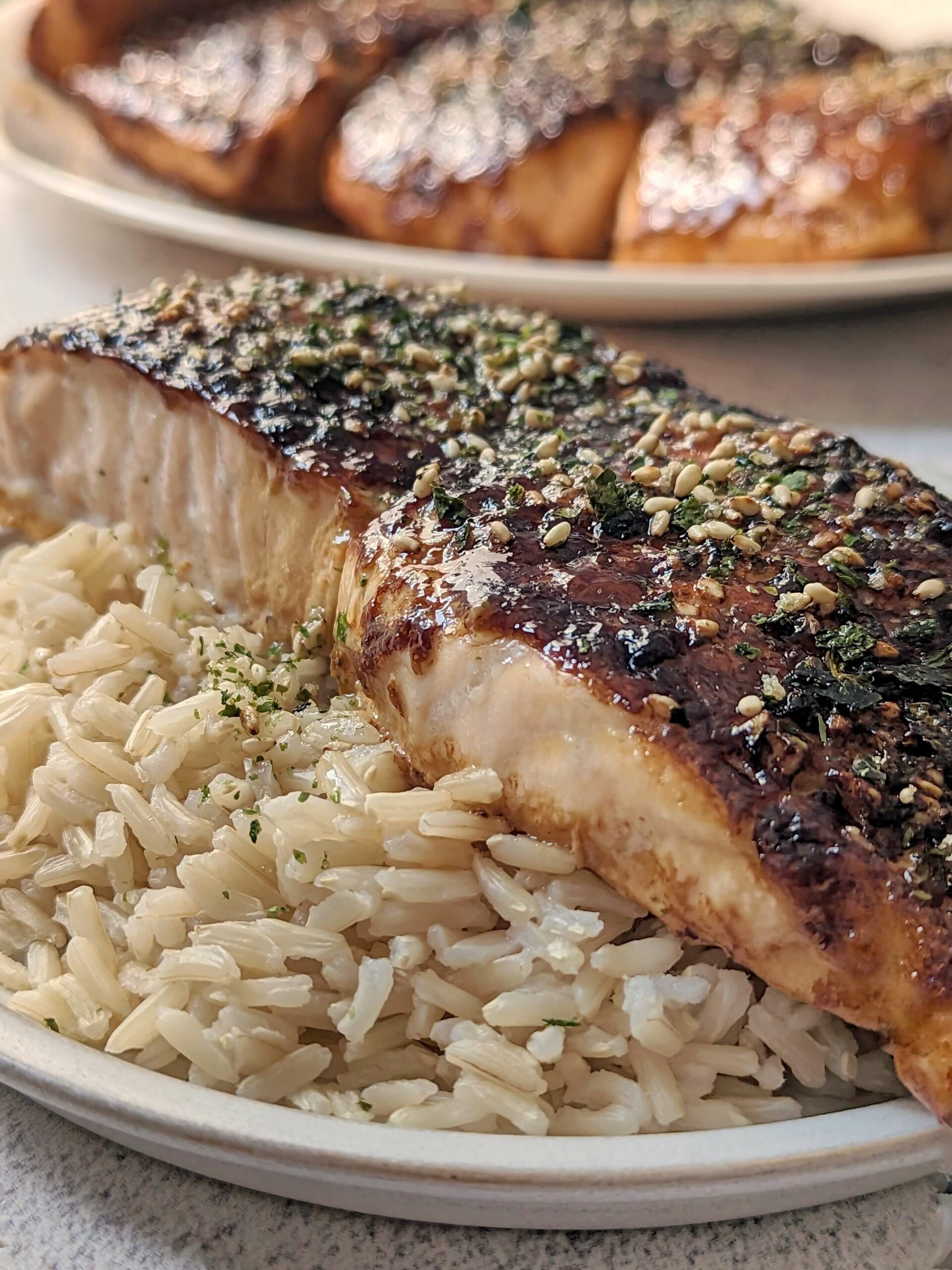
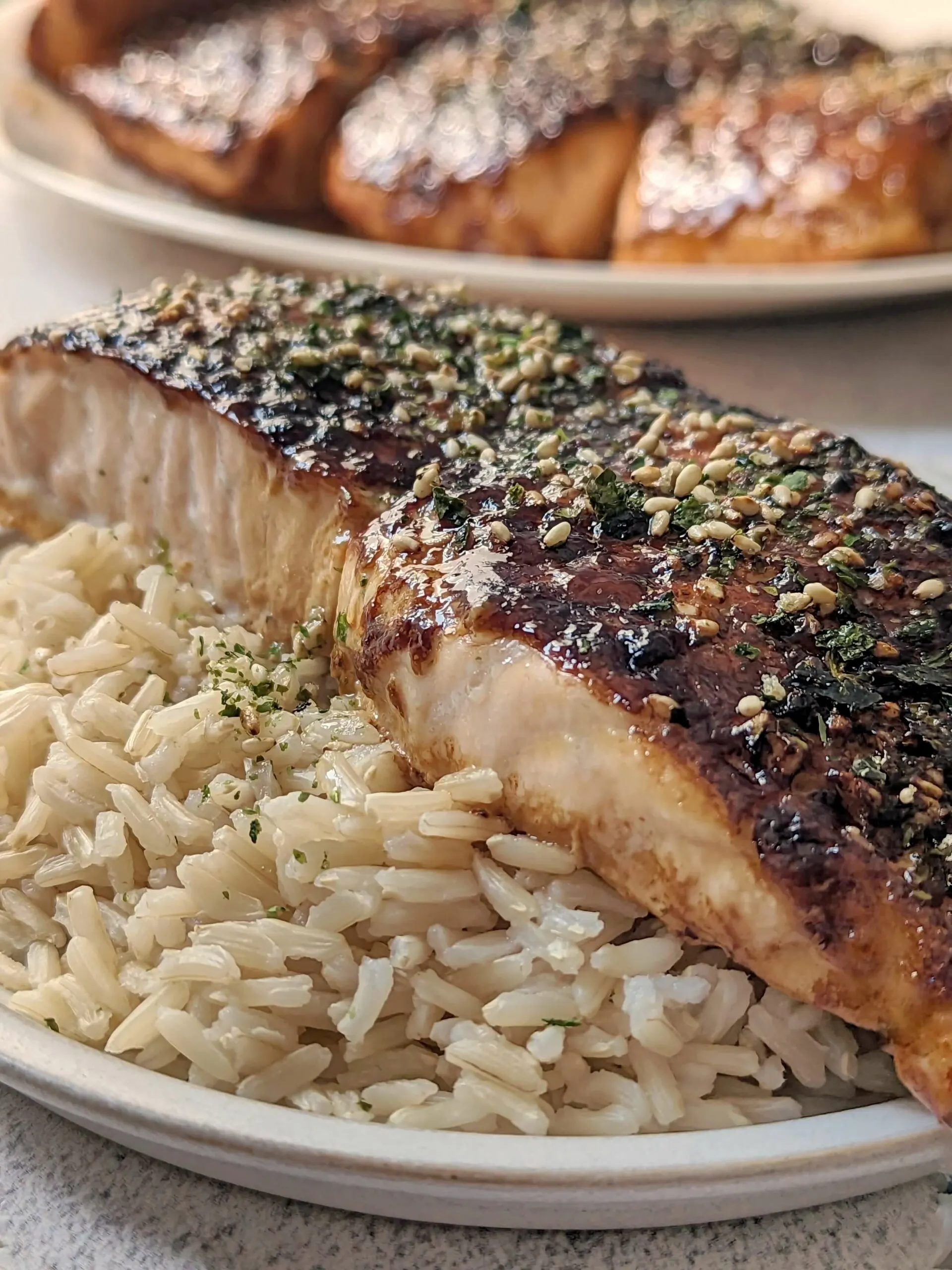
Furikake is often used to garnish rice and sushi rolls, but why stop there? Try this broiled furikake salmon recipe with shoyu mayo! The tasty seasoning pairs perfectly with healthy and delicious salmon, so make the four-ingredient recipe a part of your weeknight rotation today!
What is Furikake Made of?
Furikake is a dry Japanese seasoning blend typically sprinkled over rice or used as a topping for other dishes. It is a mixture of seaweed, dried fish flakes, black sesame seeds, sugar, and salt. Some variations may include dried vegetables or bonito flakes.
What You Need to Make this Recipe
- Kewpie Mayonnaise: I live in North Carolina, so I have an affinity for Duke’s mayonnaise. However, I will make an exception. Sweet and creamy Kewpie Mayonnaise is the perfect complement to salmon. Order the Japanese mayonnaise online or make a trip to a local Asian grocery store.
- Shoyu: I use Japanese-style soy sauce called shoyu to flavor the mayonnaise, but if you don’t have any, use soy sauce or coconut liquid aminos. The combination of shoyu and mayonnaise adds a delicious umami flavor to create a perfect base for furikake.
- Salmon: I buy frozen, skinless salmon fillets or the wild salmon fillets at Costco. However, if you have access to fresh salmon, use that instead. I usually defrost the fillets in the fridge the night before for easy preparation the next day.
- Furikake: You can find furikake at one of your local asian grocery stores or order it online and have it delivered to your house in a couple of days.
Additions and Substitutions
- Replace shoyu in the mayonnaise mixture with half a teaspoon of wasabi paste for a nice, spicy kick!
- Use Tamari, liquid aminos, coconut amino acids, or soy sauce instead of shoyu.
- Don’t have Kewpie mayo? That’s okay! Use regular mayonnaise.
How to Make Furikake Salmon
The full recipe with measurements is in the recipe card below.
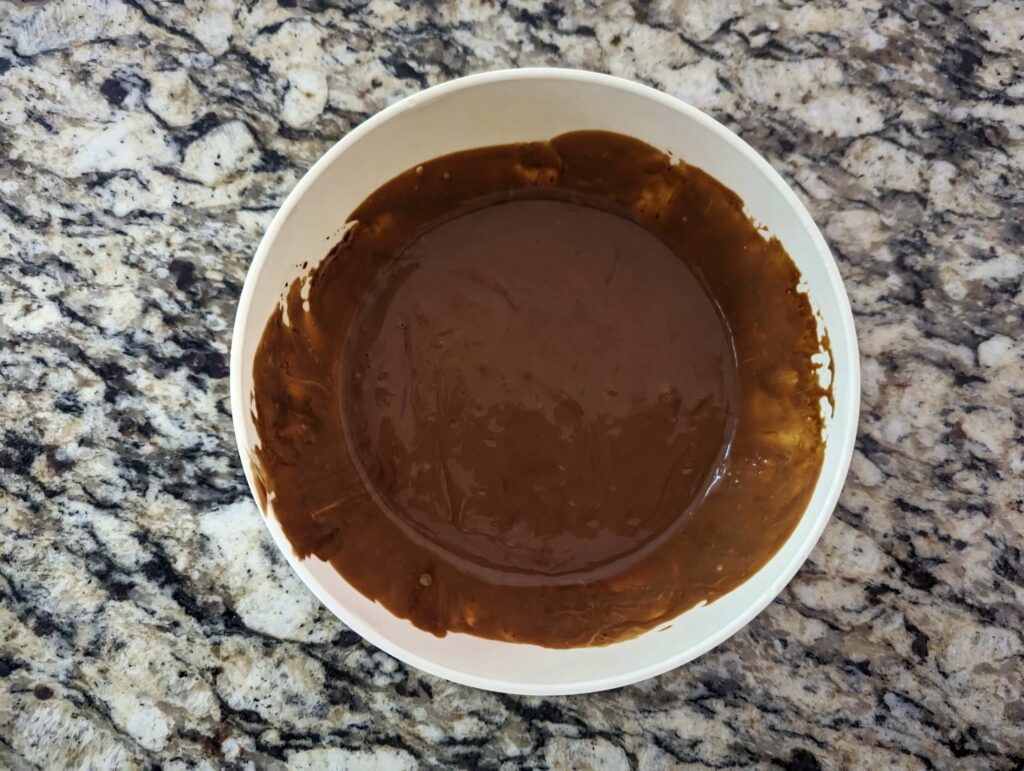
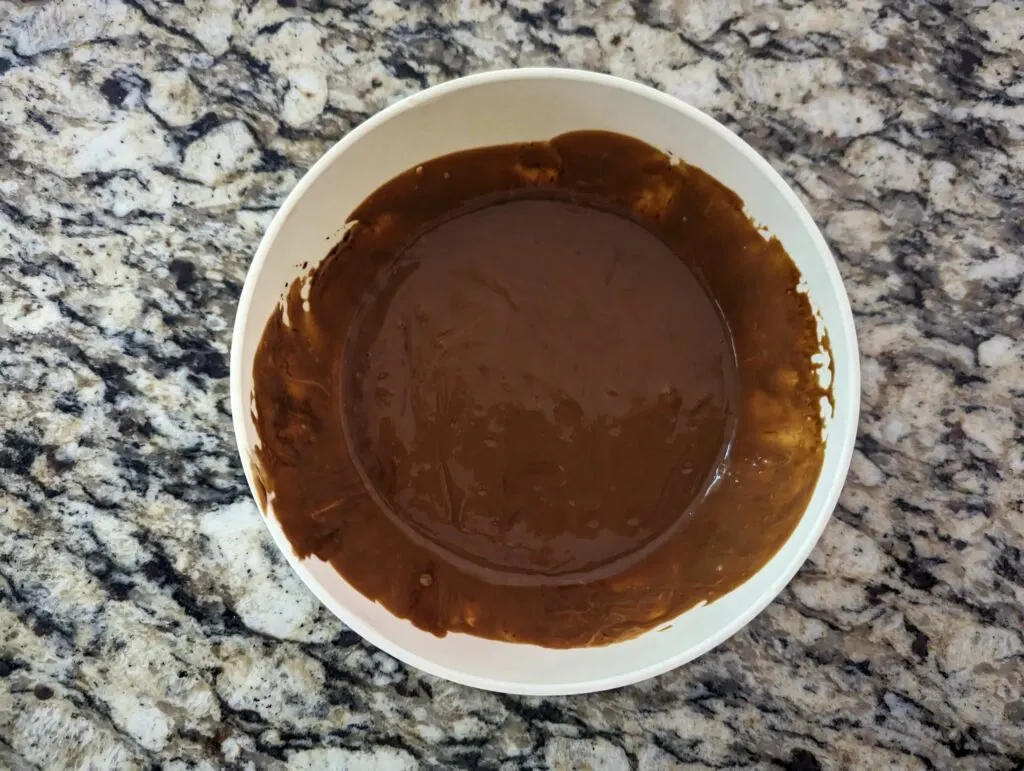
Step 1: Combine mayonnaise and shoyu in a small bowl. Set it aside.
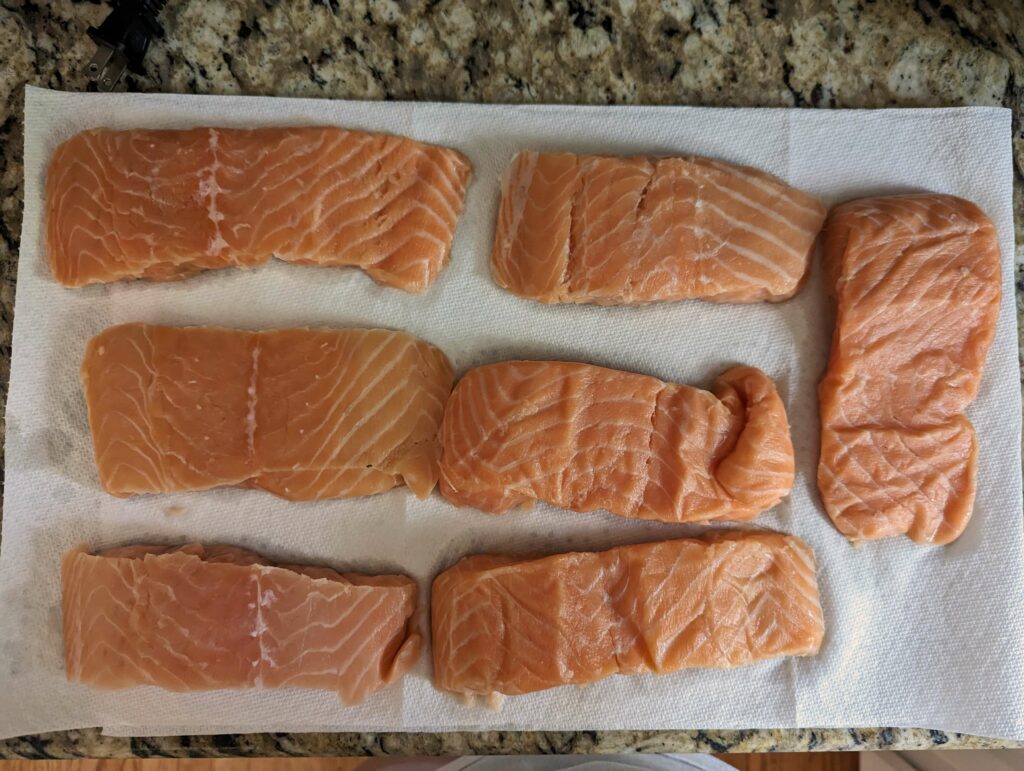
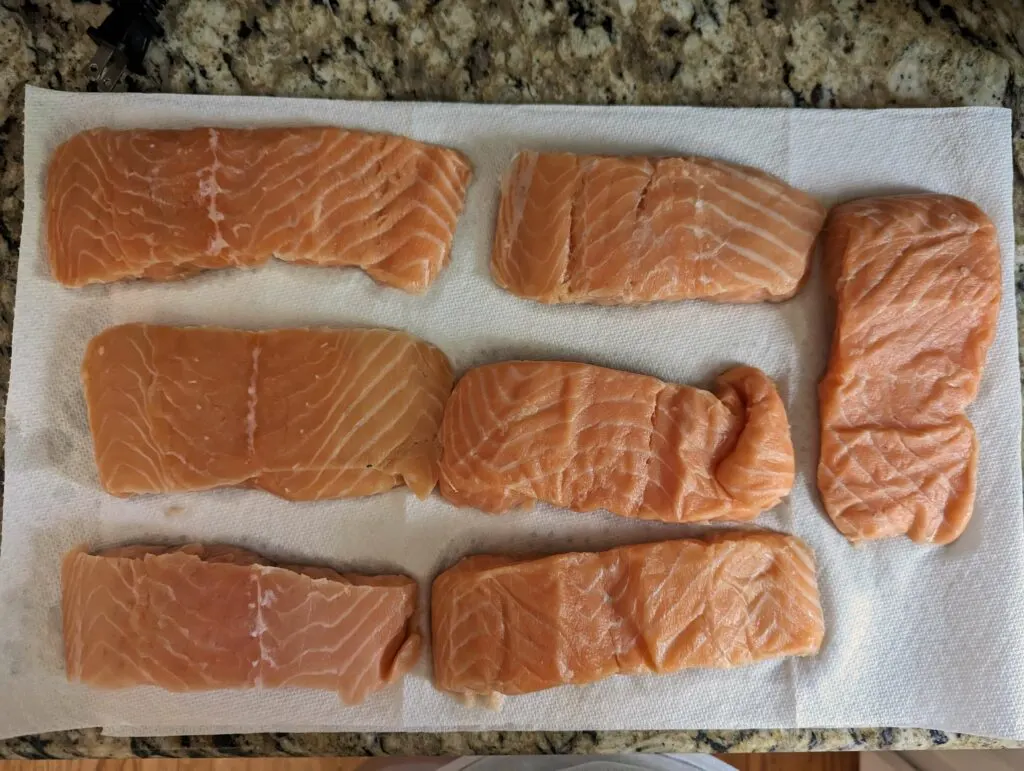
Step 2: Line the salmon fillets onto a towel and pat them dry to remove moisture.
Step 3: Set the oven to a low broil and line a rimmed sheet pan with parchment paper or a silicon mat.
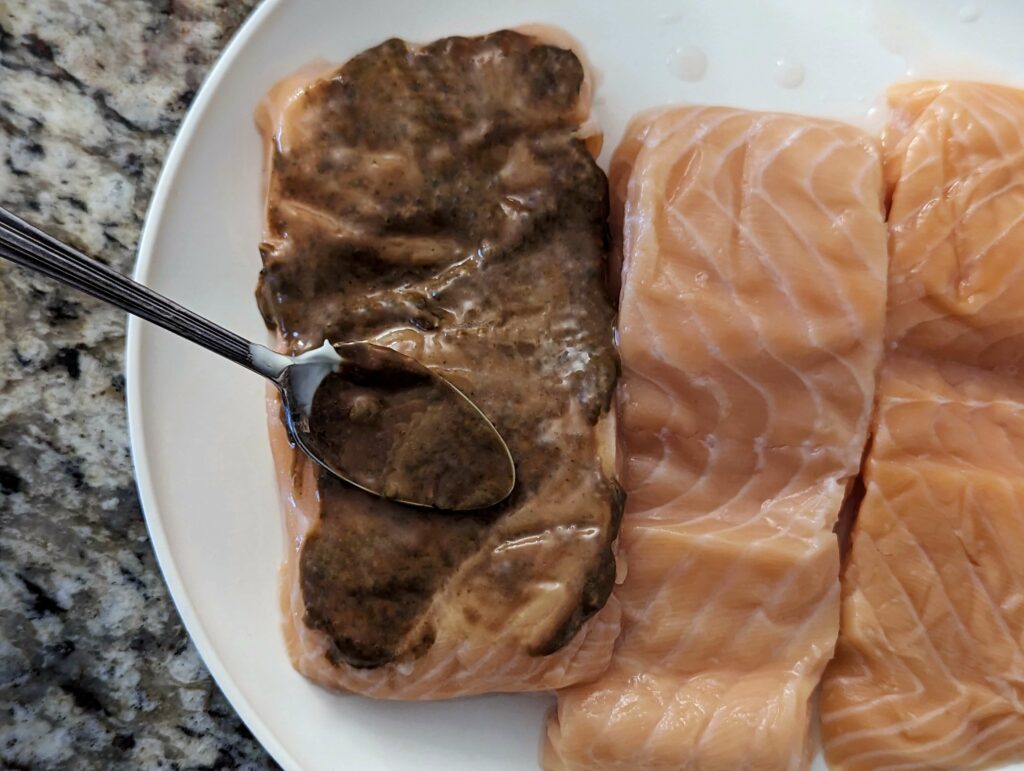
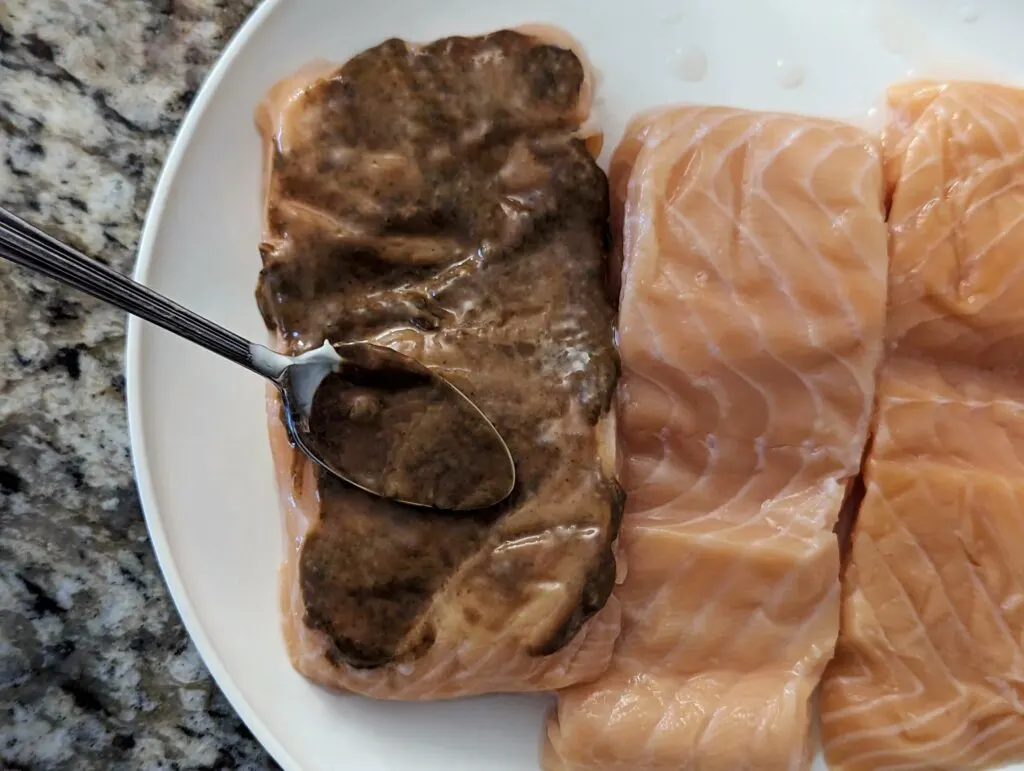
Arrange the fillets onto it and generously coat the top of the salmon with the mayonnaise mixture.
Step 4: Then, sprinkle furikake seasoning over the tops.
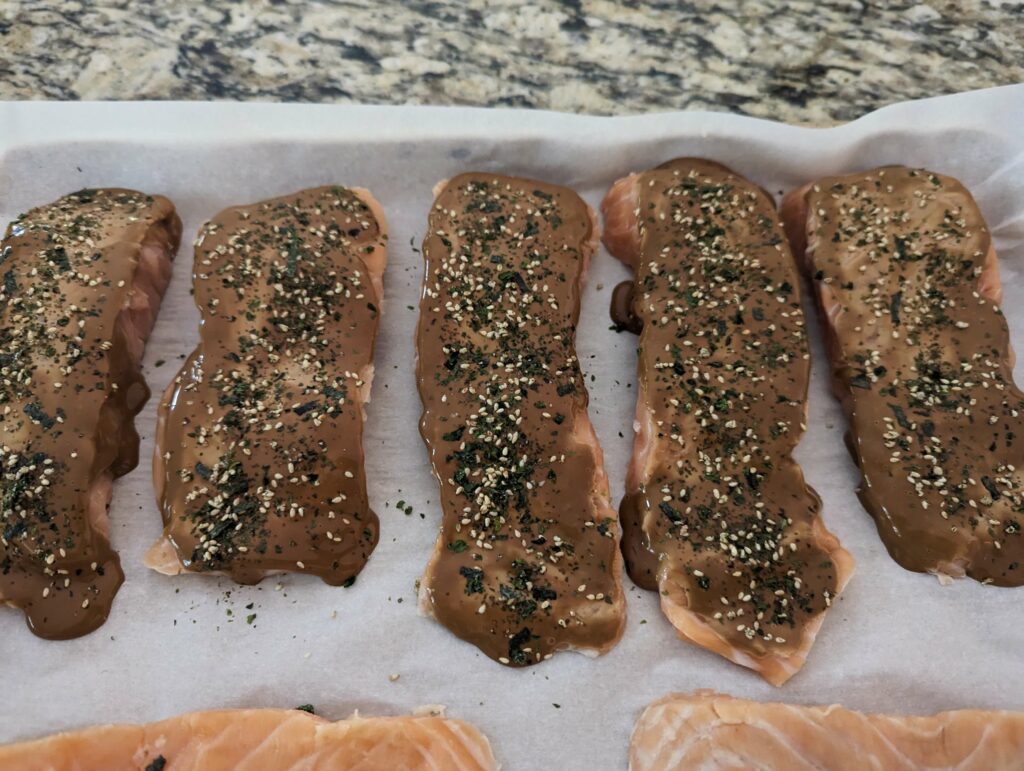
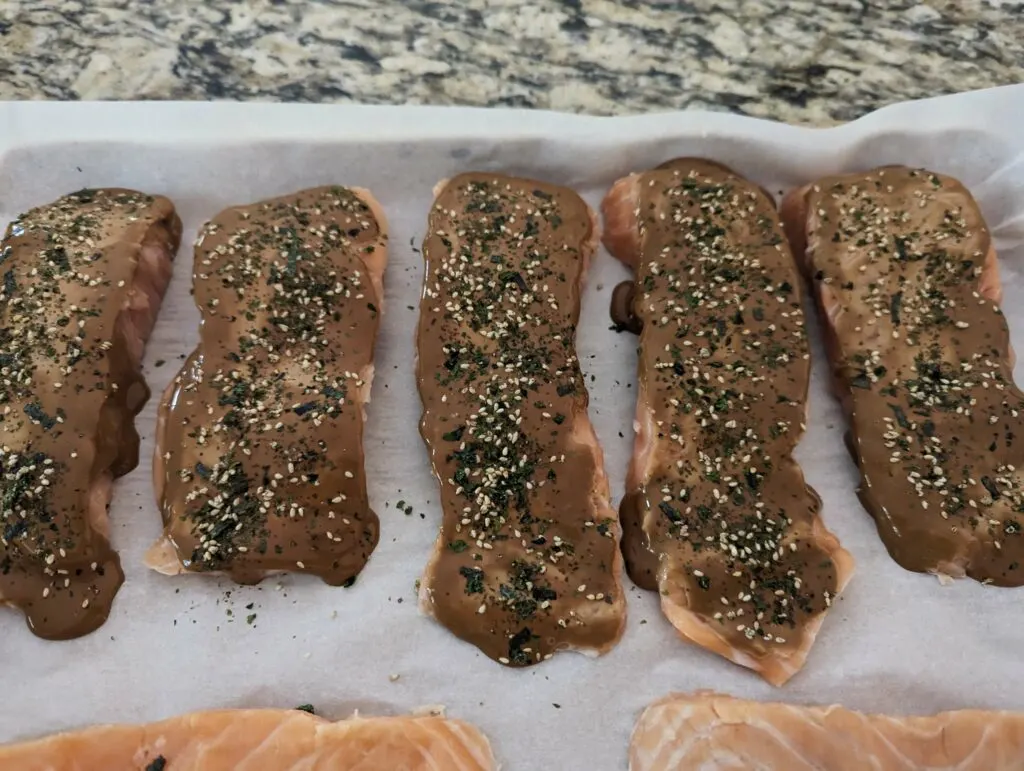
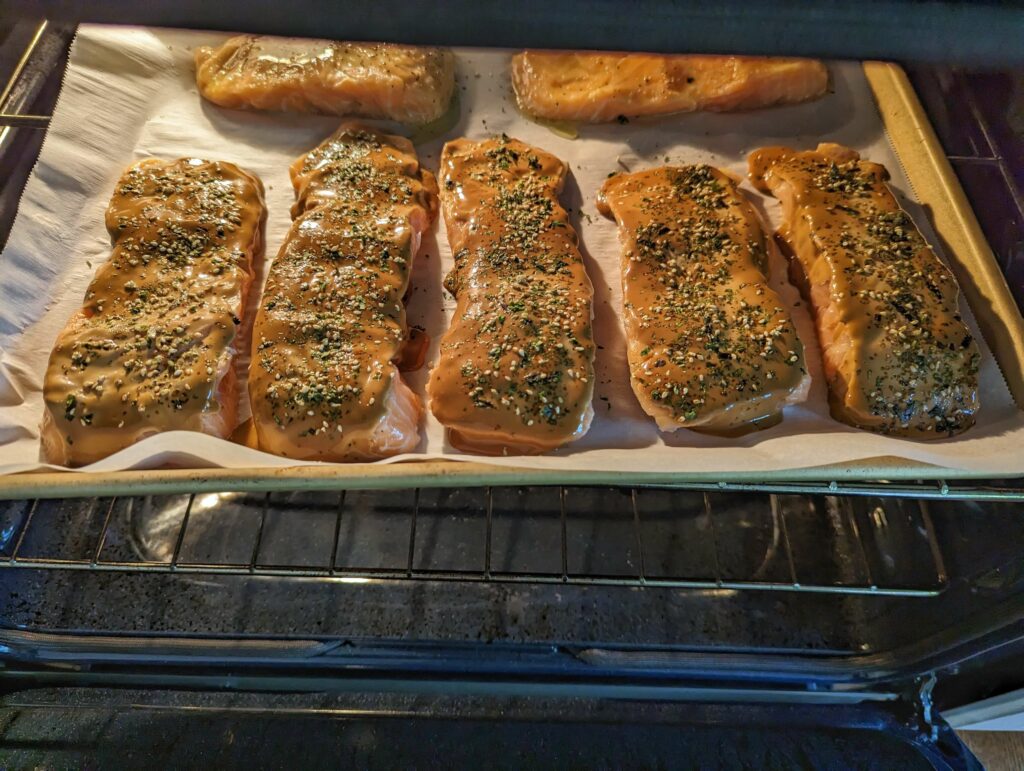
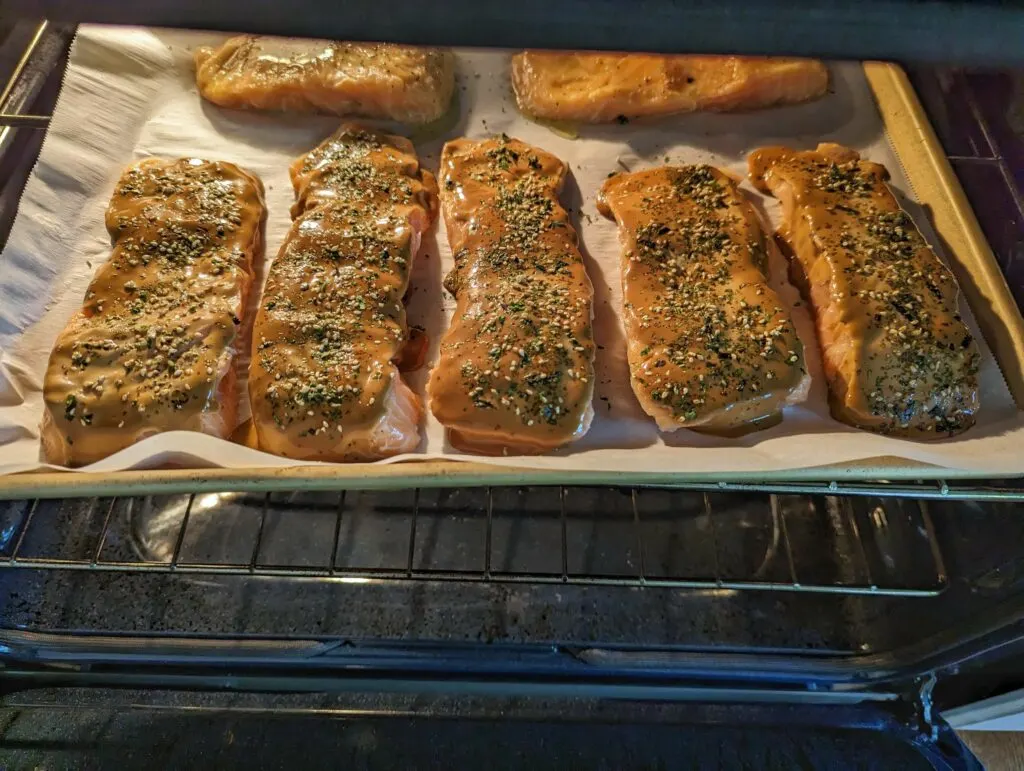
Step 5: Broil uncovered for 10-12 minutes until the salmon reaches an internal temperature of 125°F (51°C). Then, sprinkle with more furikake seasoning for a little extra flavor.
Expert Tips
- Pat dry the salmon fillets before coating them with shoyu mayo. The excess moisture causes the fish to steam rather than broil.
- If using skin-on salmon, cook the salmon skin side down so you can coat the tops with the delicious mayonnaise, and the skin will crisp perfectly against the parchment paper.
- Overcooked salmon can be dry and tough, so keep a close eye on it as it cooks. Use a food thermometer to check the internal temperature of the salmon. It is the best way to ensure you don’t overcook the fish. The recommended cooking temperature for salmon is 125°F (51°C).
Searching for More Like This?
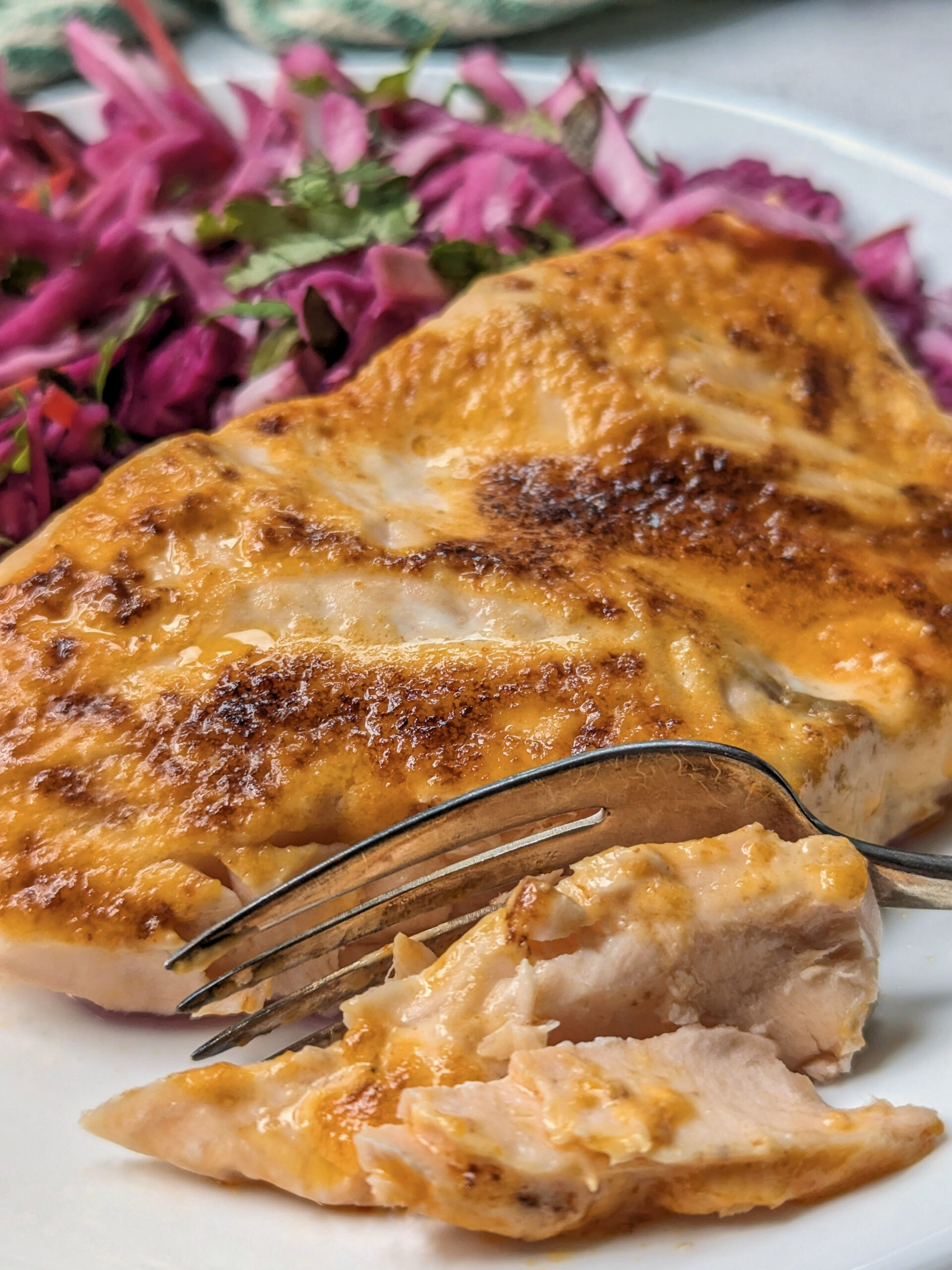
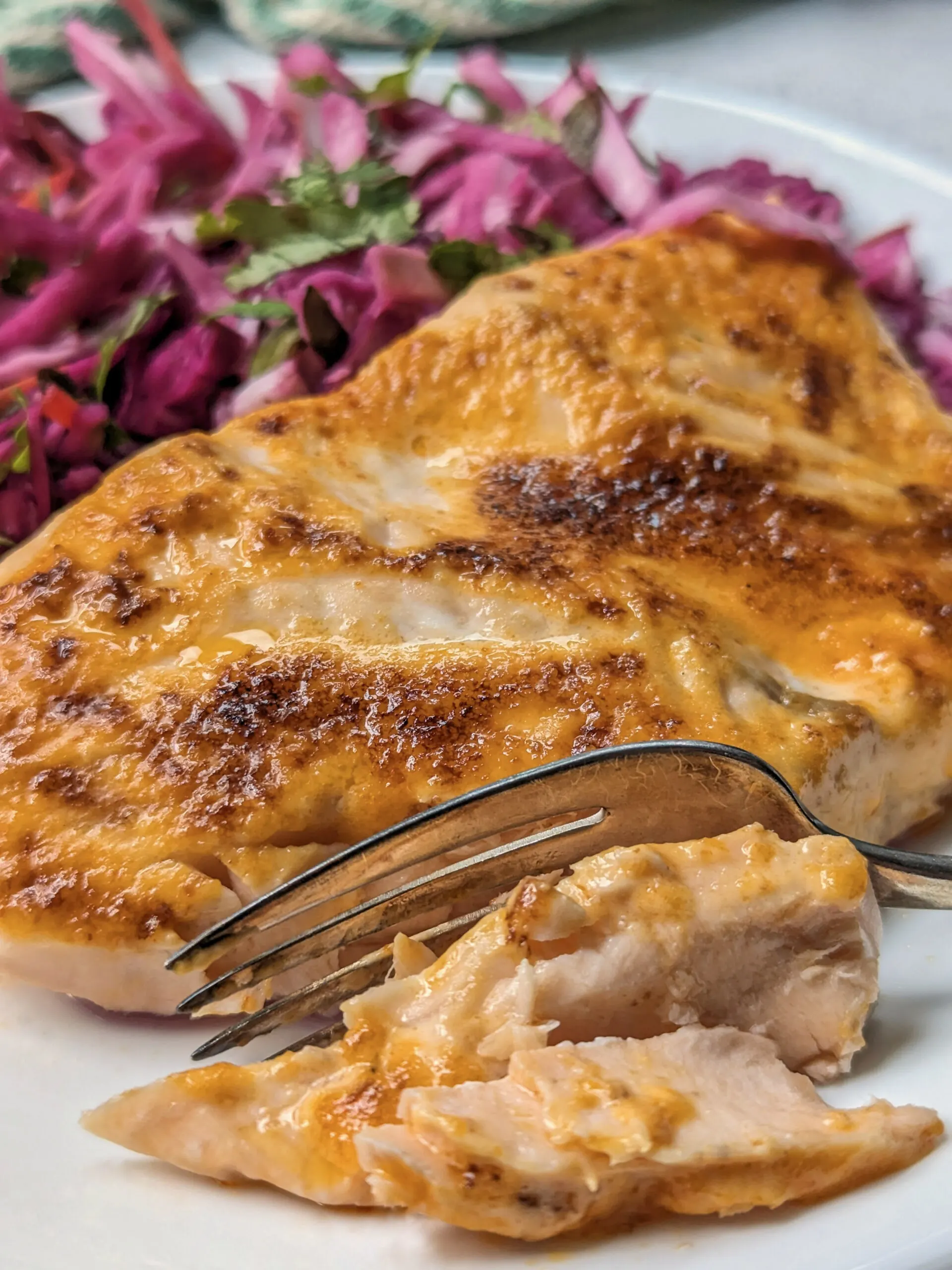
If you love this meal, try one of these salmon recipes!
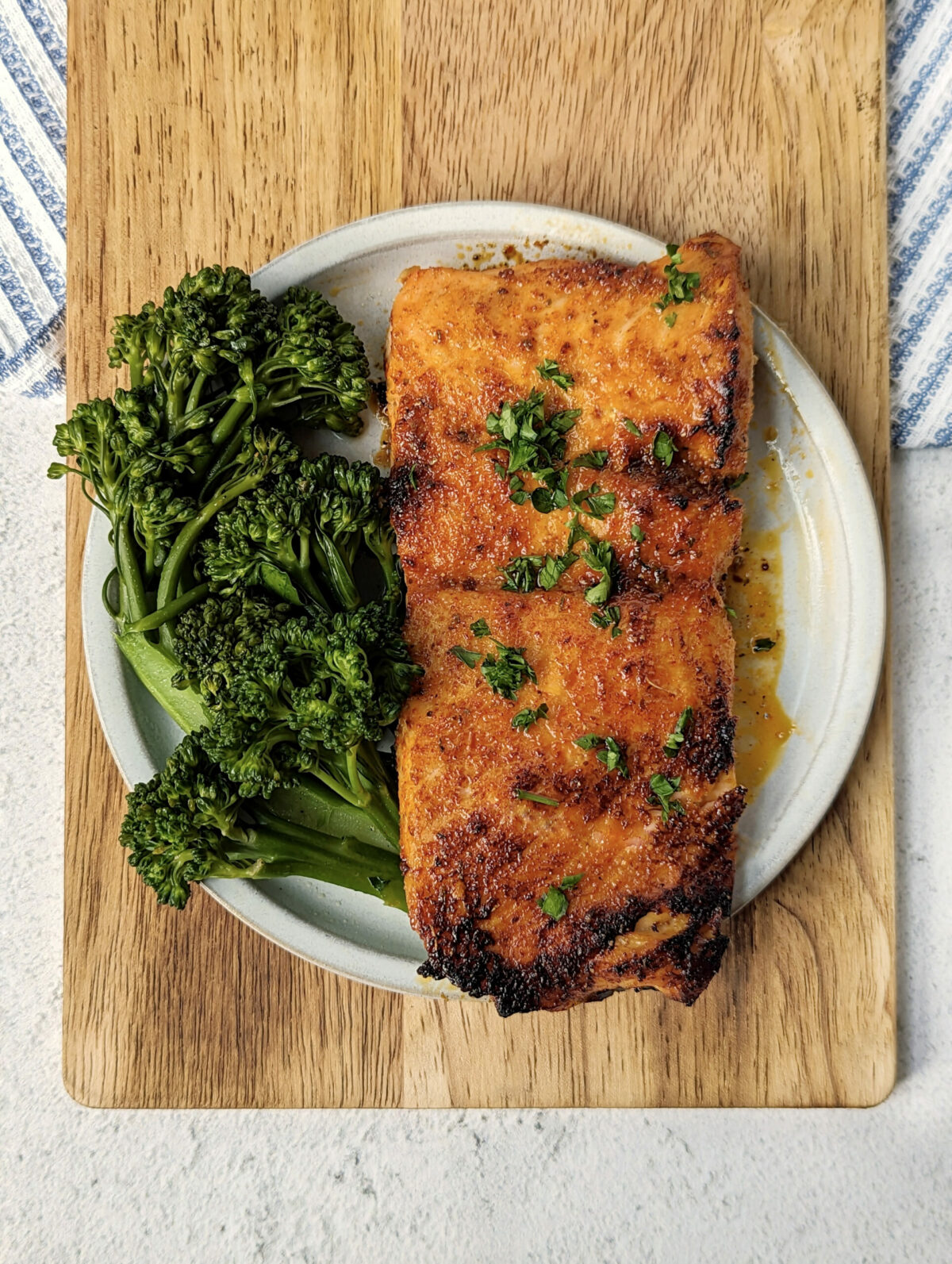
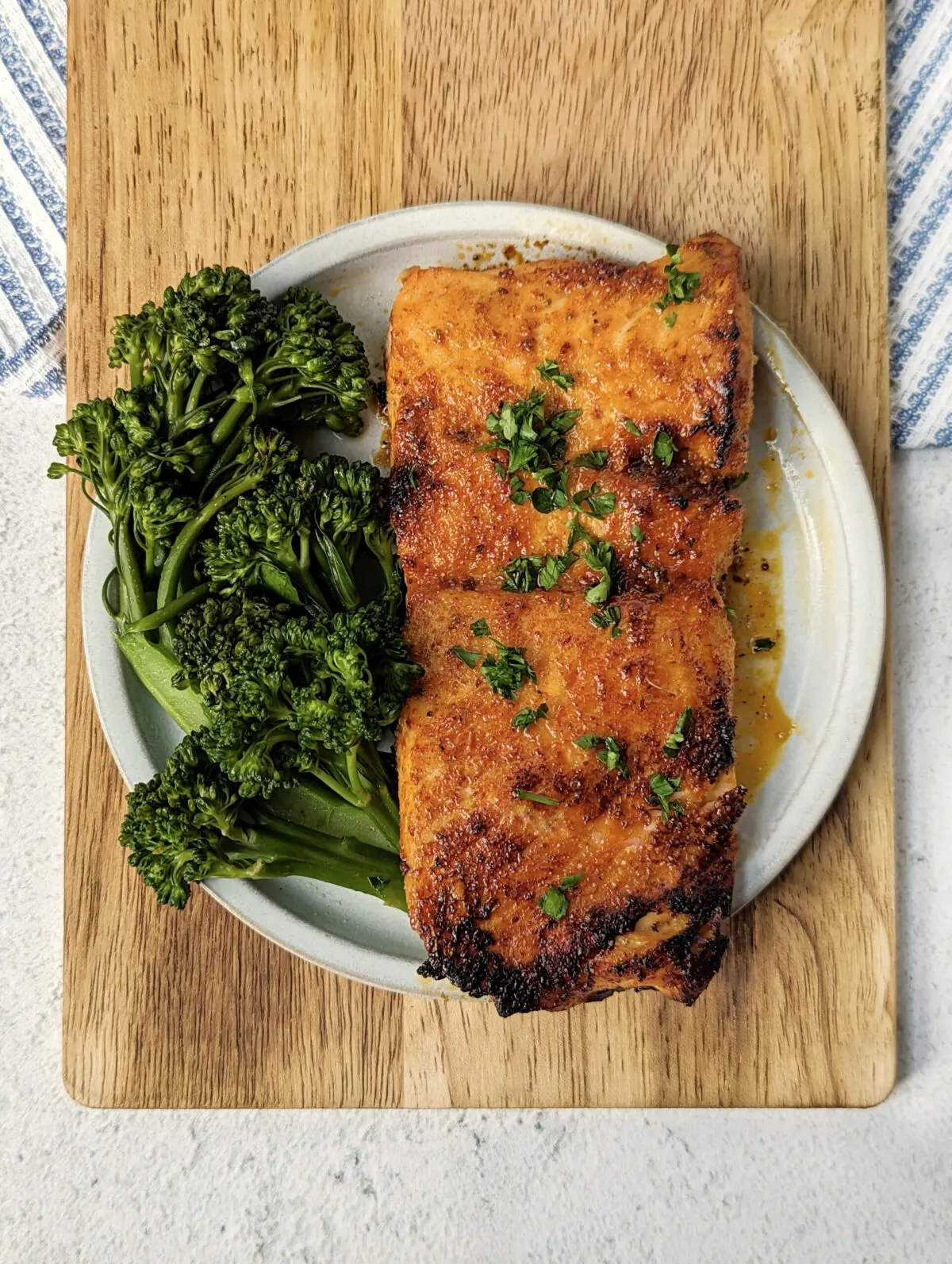
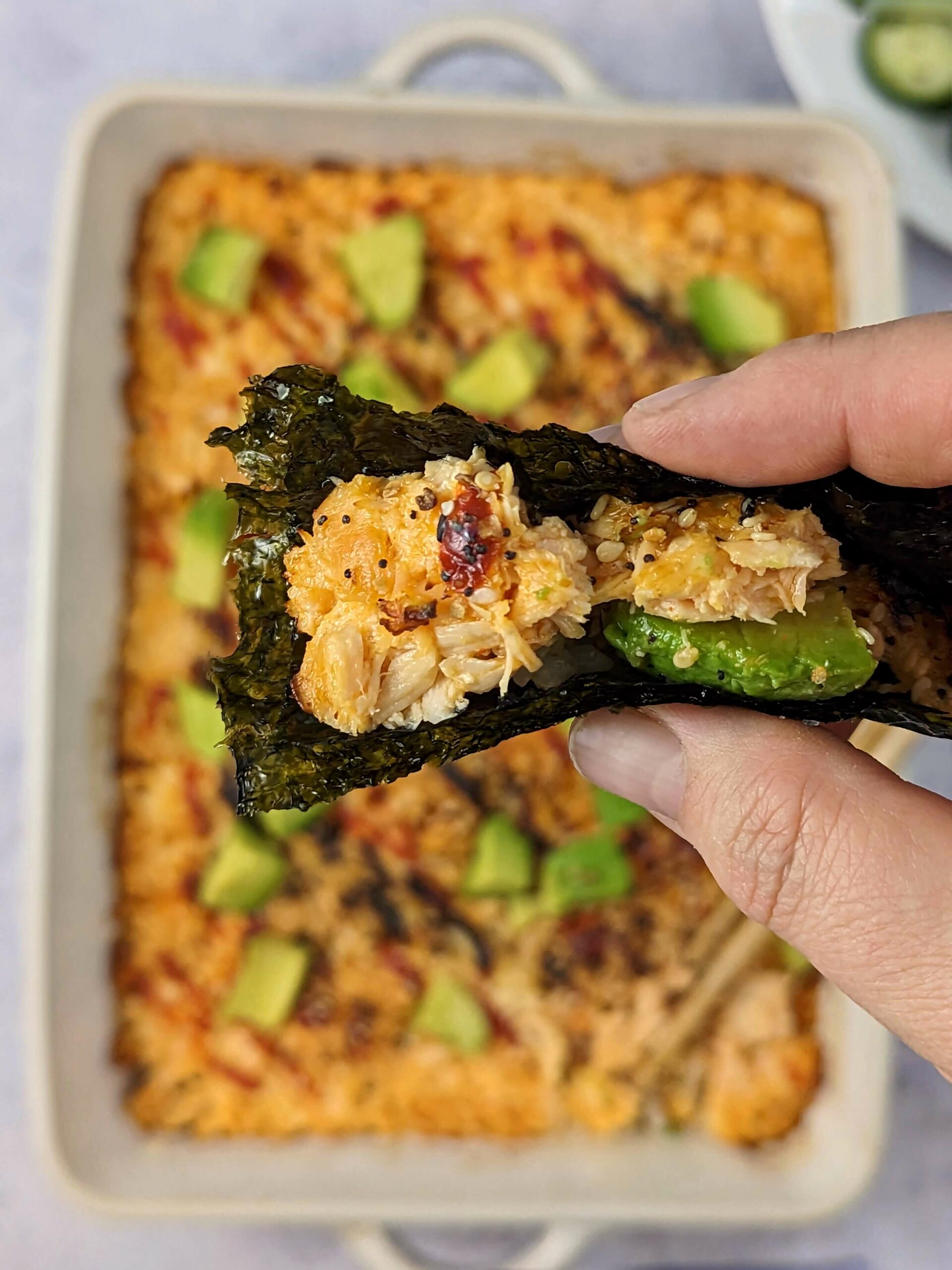
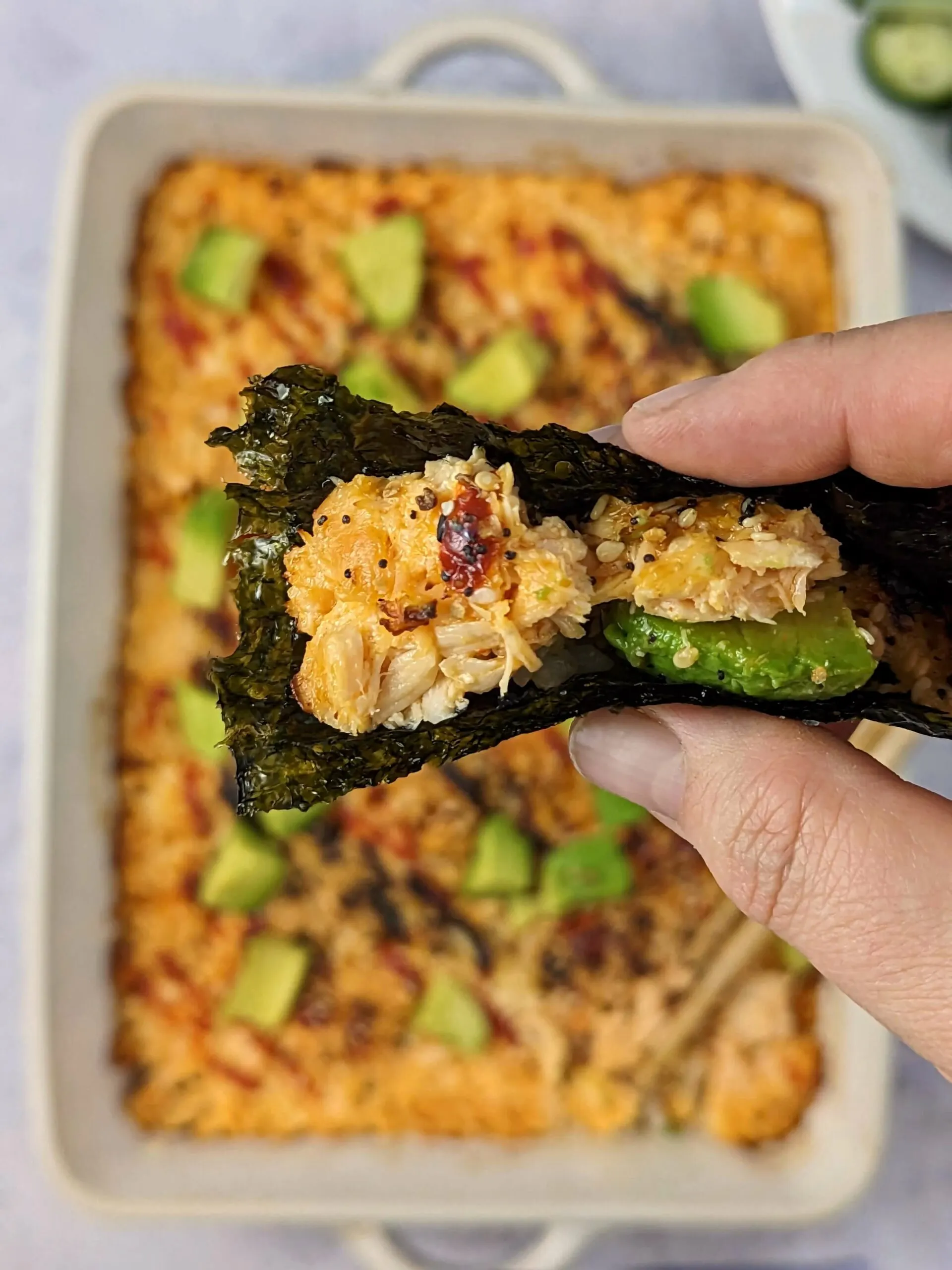
Serving Suggestions
- Wasabi Sushi Rice, White Rice, Brown Rice, Quinoa
- Seaweed Salad, Cucumber Carrot Salad, Sunomono, Hakusai
- Nori Seaweed
- Gluten-Free Miso Soup
- Air Fryer Brussel Sprouts, Bok Choy
What to do With the Leftovers
- Refrigerate – Store leftovers in an airtight container for 3-4 days.
- Freeze – Let the salmon cool completely. Then, transfer the fillets to a freezer-safe container or bag. Leftover furikake salmon freezes for 4-6 months.
- Reheat – You can bring the leftovers to temperature in the oven or cook it in the microwave for 30-40 seconds.
- Repurpose – Add the leftover fish to rice or cauliflower rice, and make a furikake salmon rice bowl or turn it into a sushi hand roll.
Frequently Asked Questions
Can I use skin-on salmon?
You sure can! To ensure furikake salmon turns out perfectly, place the salmon skin-side down on the parchment paper and generously coat the tops with the savory shoyu mayo mixture.
Can I use other fish?
As always, use my recipe as a springboard for your creativity. Combine the shoyu mayo and furikake to flavor other fish like ahi tuna or mahi-mahi.
What does the mayonnaise do?
Adding shoyu-flavored Kewpie mayo to the salmon locks in moisture and creates a beautiful coating for the furikake to adhere.
Can I make this recipe in the air fryer?
Yep, and here’s what you do. Preheat the air fryer to 400°F (204°C). Then, line the salmon fillets onto a towel and pat dry to remove moisture. Arrange the salmon fillets into the air fryer basket and coat them with the mayonnaise mixture. Then, sprinkle the salmon with furikake. Cook for 10-15 minutes until the salmon reaches an internal temperature of 125°F (51°C).
More Quick Dinner Ideas:
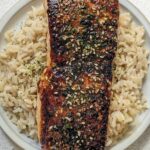
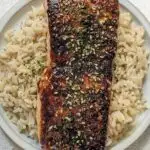
Furikake Salmon
- Small Bowl
- ½ cup Kewpie mayonnaise
- 2 tablespoons shoyu
- 6 salmon fillets
- 2 tablespoons furikake seasoning
- Combine mayonnaise and shoyu in a small bowl. Set it aside.
- Line the salmon fillets onto a towel and pat them dry to remove moisture.
- Broil uncovered for 10-12 minutes until the salmon reaches an internal temperature of 125°F (51°C). Then, sprinkle with more furikake seasoning for a little extra flavor.
- Pat dry the salmon fillets before coating them with shoyu mayo. The excess moisture causes the fish to steam rather than broil.
- If using skin-on salmon, cook the salmon skin side down so you can coat the tops with the delicious mayonnaise, and the skin will crisp perfectly against the parchment paper.
- Overcooked salmon can be dry and tough, so keep a close eye on it as it cooks. Use a food thermometer to check the internal temperature of the salmon. It is the best way to ensure you don’t overcook the fish. The recommended cooking temperature for salmon is 125°F (51°C).
- The nutritional information shown is an estimate provided by an online nutrition calculator. It should not be considered a substitute for professional advice.