
Fasulye piyaz combines simple ingredients for a perfect side to serve alongside any main entree. You can also include piyaz in a meze with other small plates like skhug, butter bean hummus, köfte, sumac onions, and çoban salatasi. Plus, it’s vegan and gluten-free!
What is Piyaz?
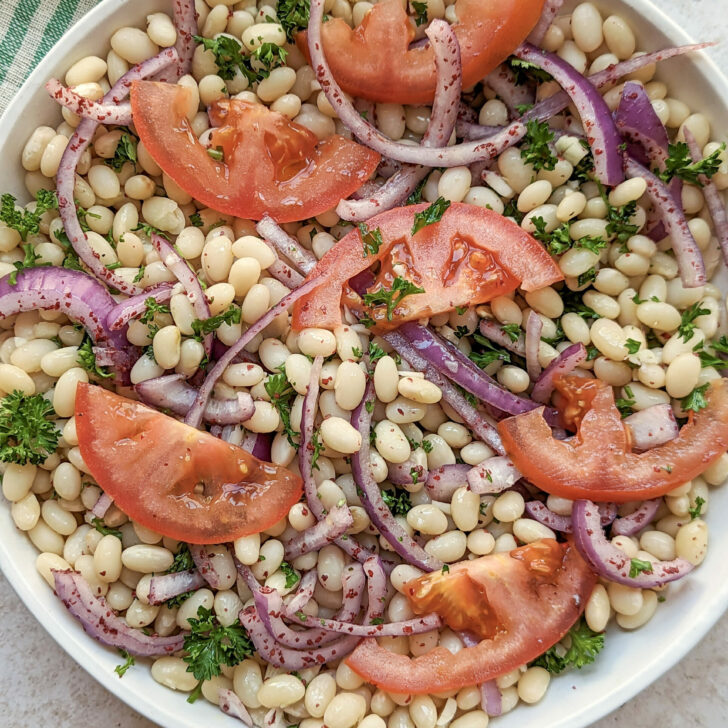
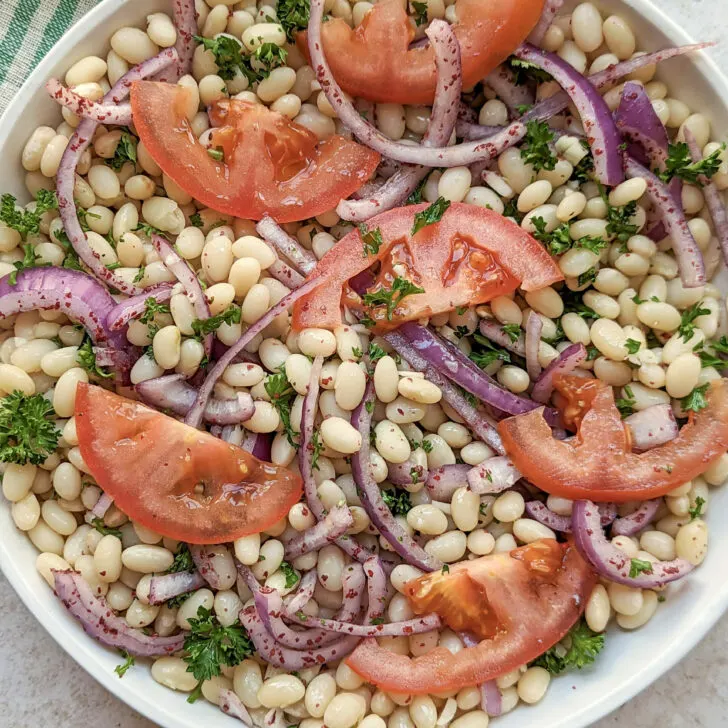
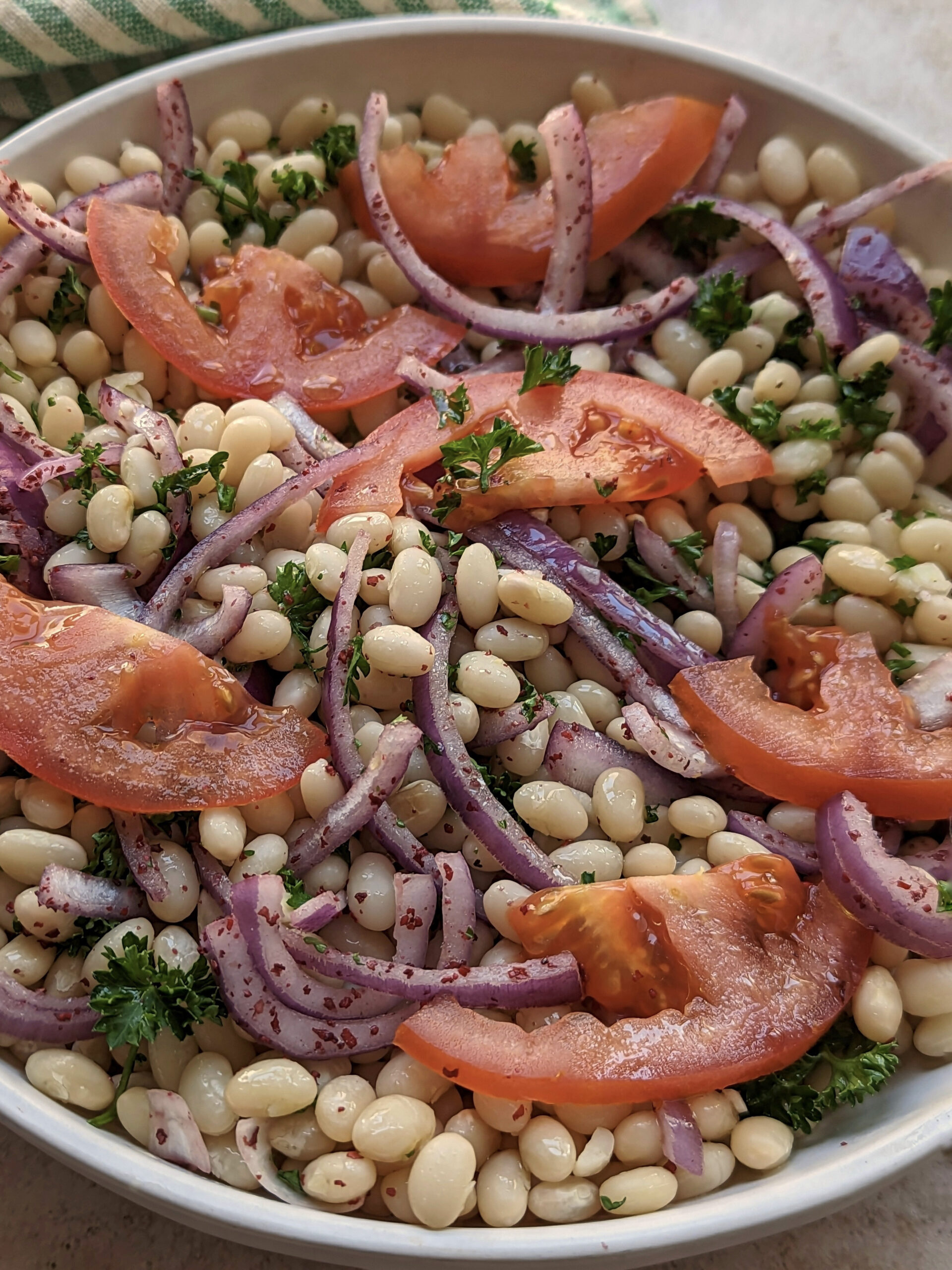
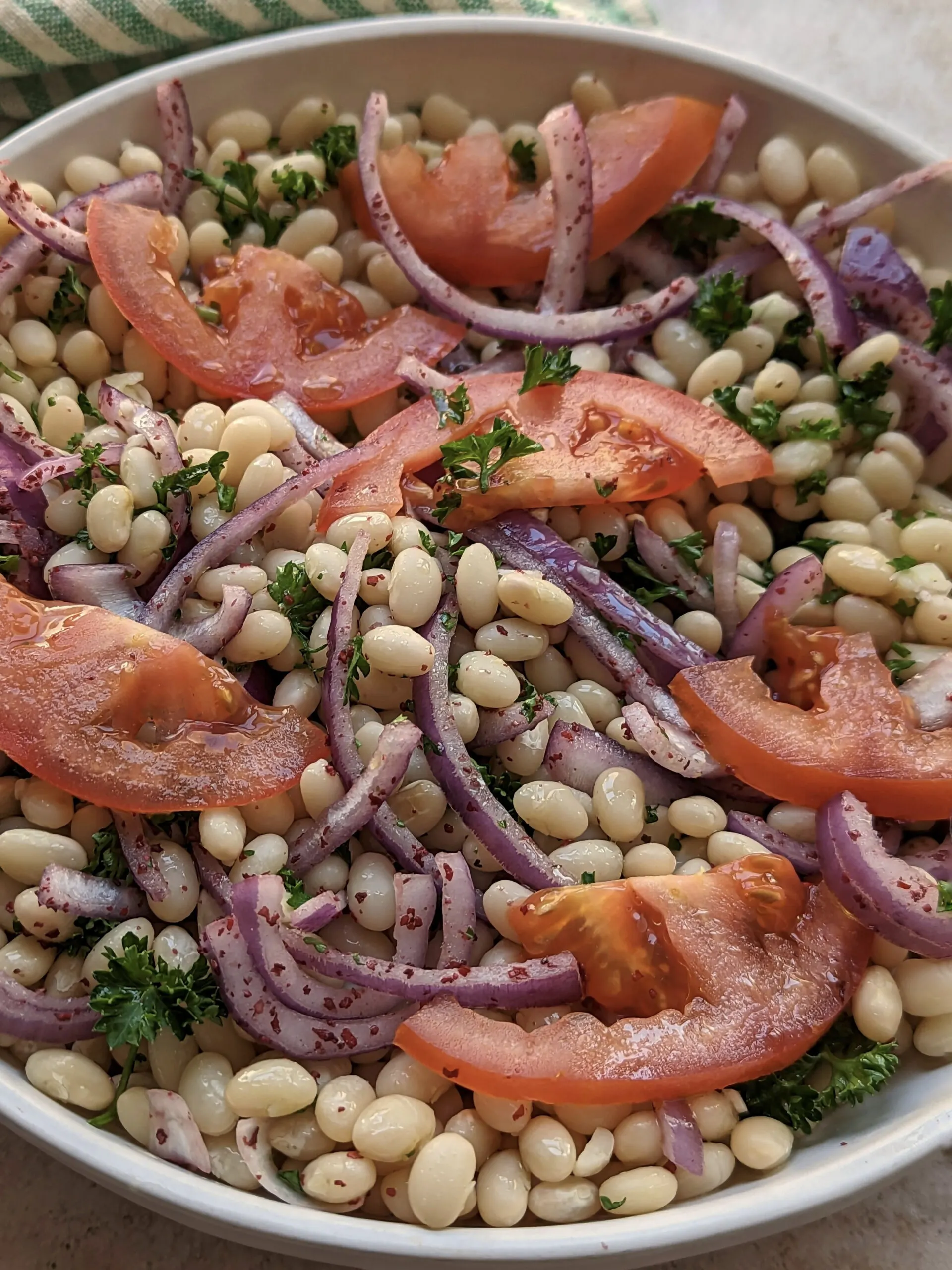
Piyaz, pronounced ‘pee-ahz,’ is a Turkish salad recipe made with white beans, onions, tomatoes, parsley, and a simple lemon vinaigrette. The salad is popular in Turkish restaurants and often paired with köfte and other grilled meats.
Ingredients You’ll Need
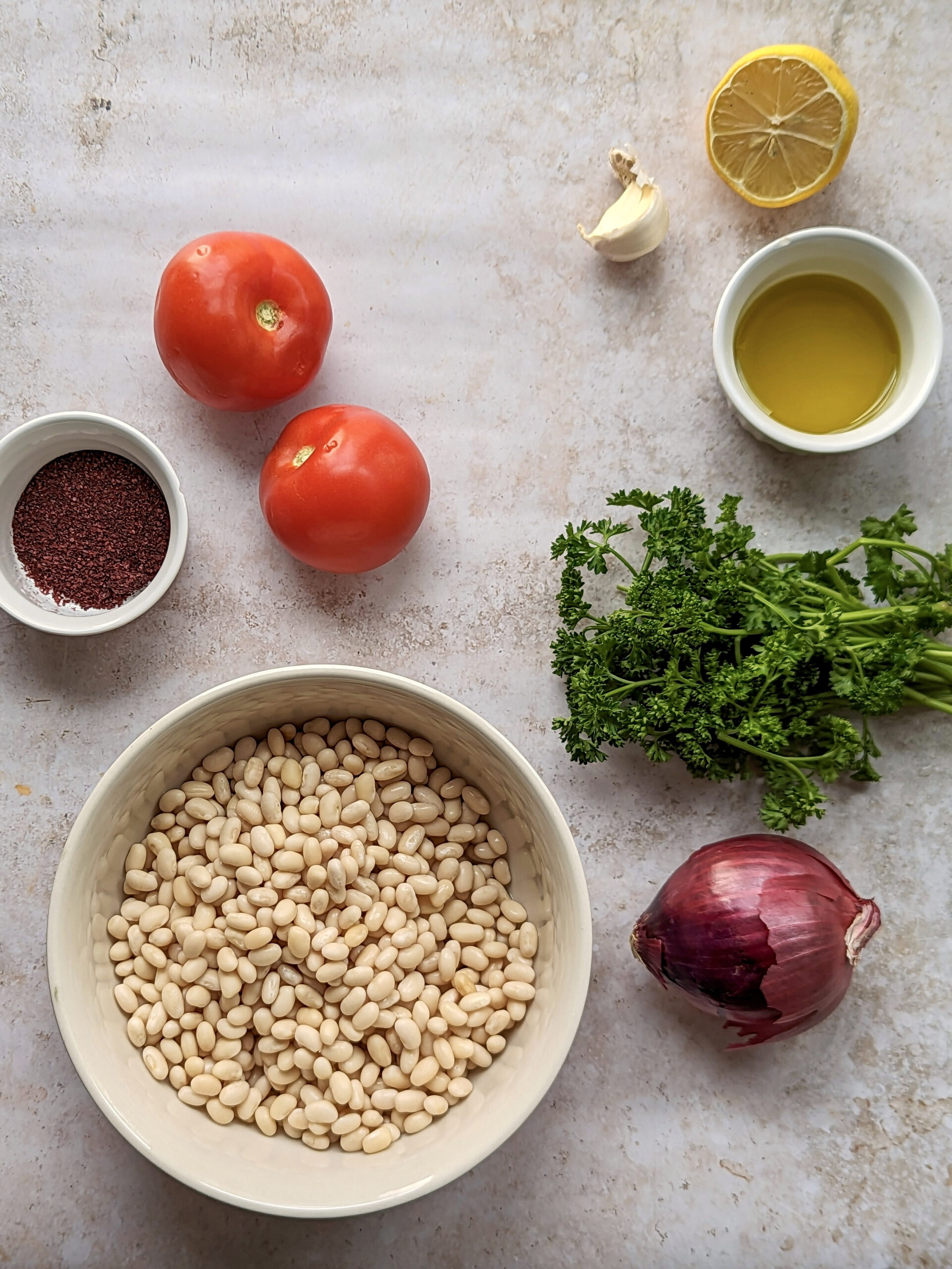
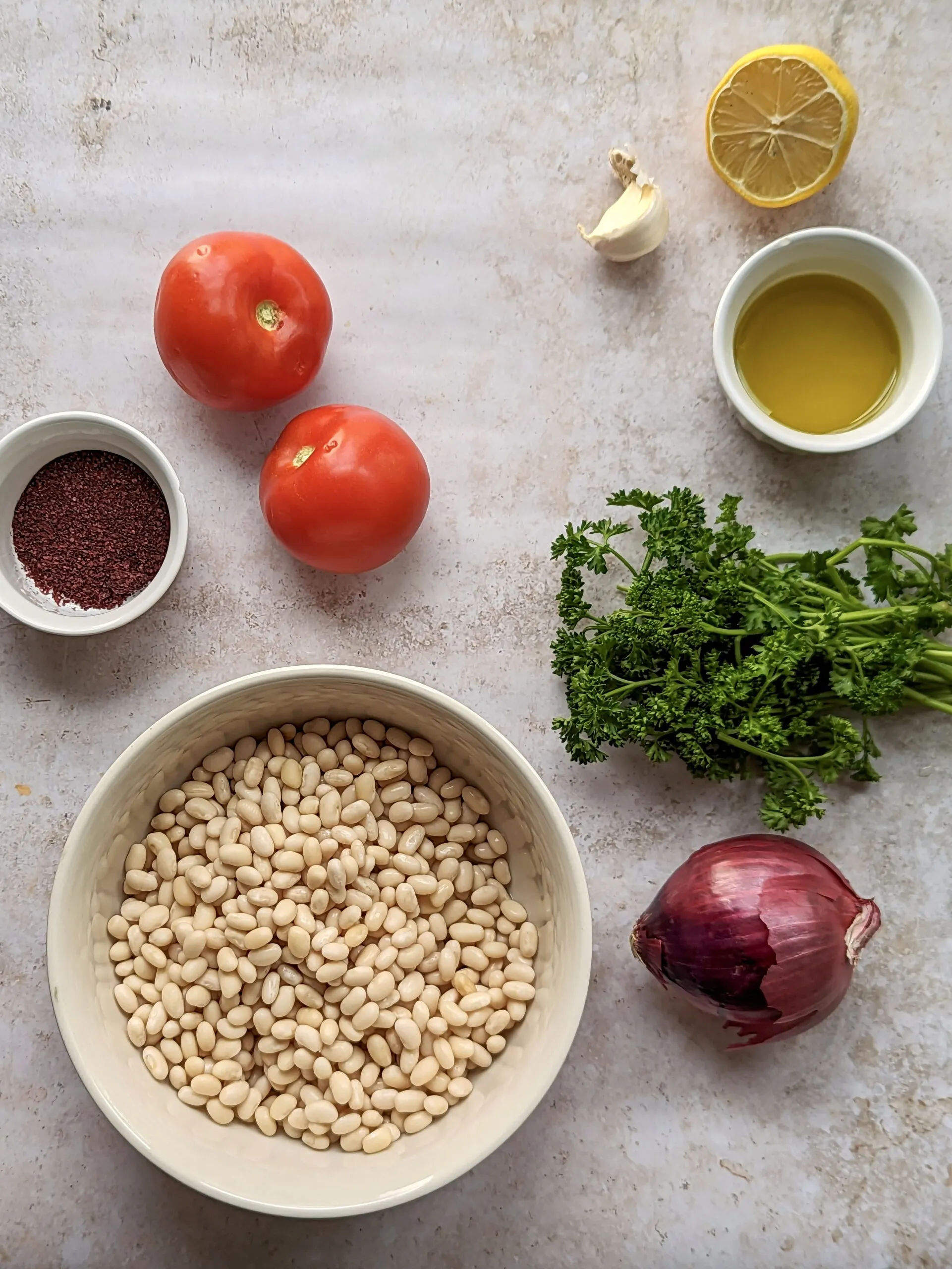
- White Beans: The main ingredient for piyaz is white beans, either dried or canned. I prefer dried cannellini beans but if you only have canned beans, use those. And since they’re cooked, all you need to do is drain and rinse the beans before building the salad. Navy, Northern, or butter beans work as a replacement. Other variations also include chickpeas or black-eyed peas.
- Olive Oil: Since it’s central to the dish, use quality olive oil.
- Lemon Juice: Lemon juice brightens the salad, but use red wine vinegar if you prefer something sweeter.
- Garlic: I suggest using four cloves, but don’t let my recipe tell you how much garlic to use – measure with your heart.
- Onion: I prefer red onion because the strong flavor compliments the salad. You can also replace red onions with shallots or white onions.
- Parsley: Garnish with parsley, or replace it with mint or cilantro, depending on your preference.
- Sumac: Massage sumac into the onions like you would prepare sumac onions. Ground-up sumac berries are tart and sweet and provide bright color and flavor. Sumac is a popular Middle Eastern spice found online and in health stores. However, I recommend visiting local Middle Eastern stores to explore; if you don’t have any, use sweet paprika use extra lemon juice.
Additions and Substitutions
- Add tahini to make Antalya piyazi.
- Include hard boiled eggs, green peppers, red pepper flakes, or black olives in the mixture.
How to Make Piyaz
The full recipe with measurements is in the recipe card below.
Step 1: If using dry beans, rinse and soak them in water overnight.
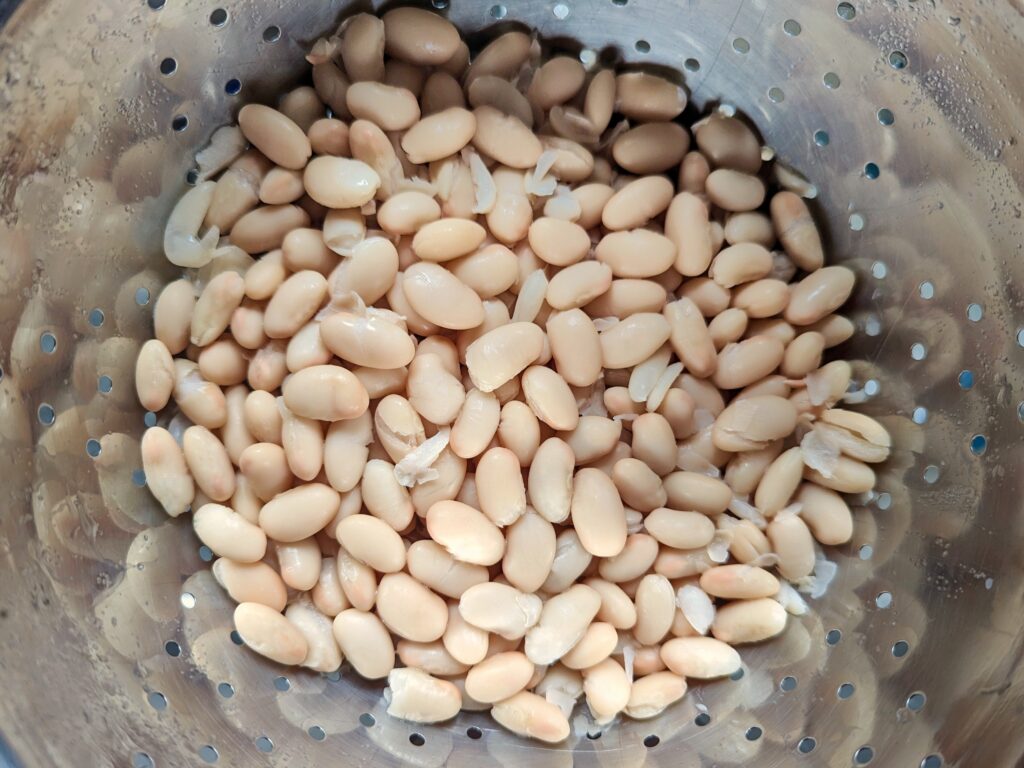
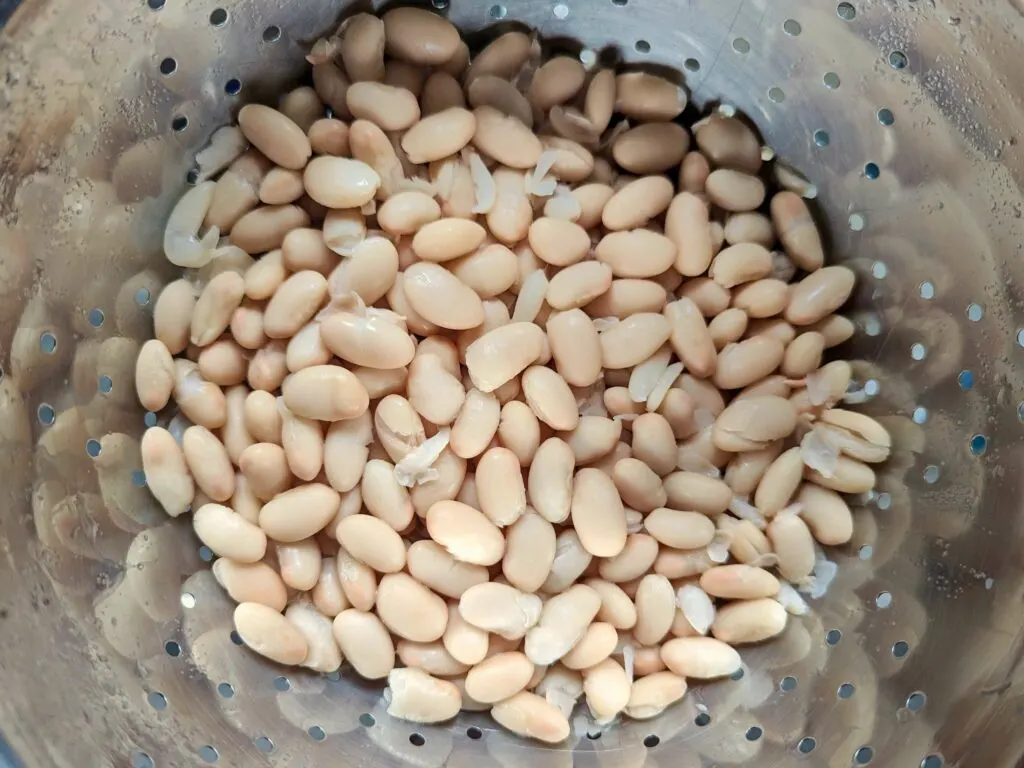
Step 2: Drain the white beans and place them into a stockpot. Fill the pot with water until it covers the beans. Bring to a boil over medium heat, then cook for 5 minutes.
Skim the water and discard any foam from the top. Reduce the heat and simmer for 30-45 minutes until the beans soften.
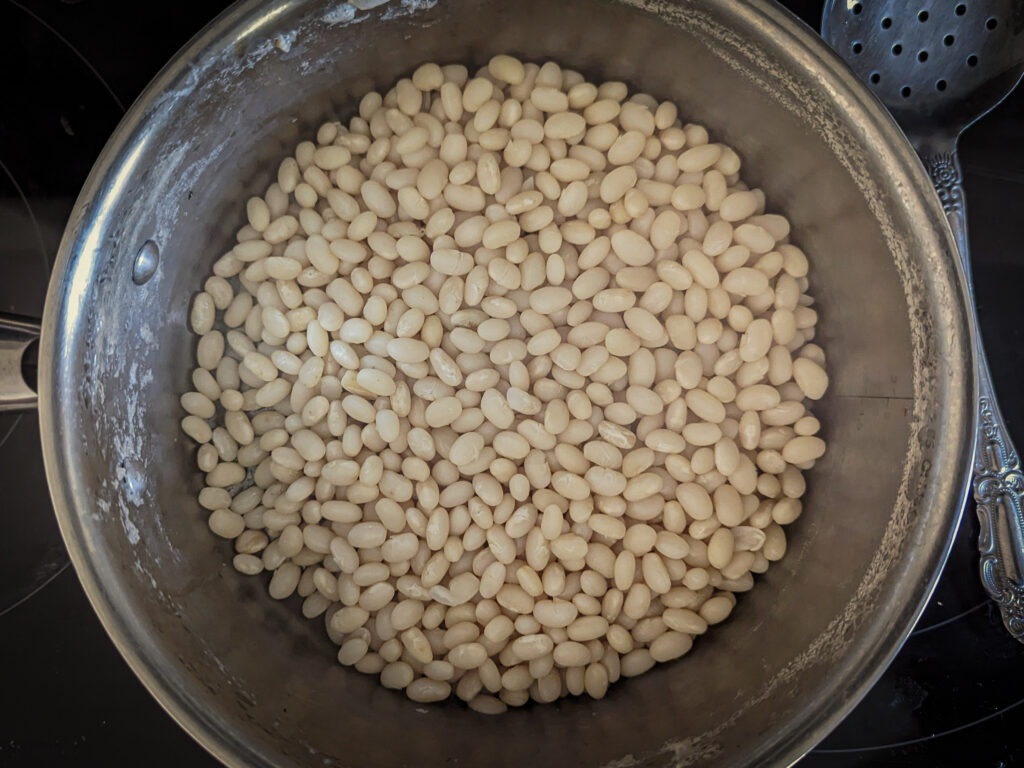
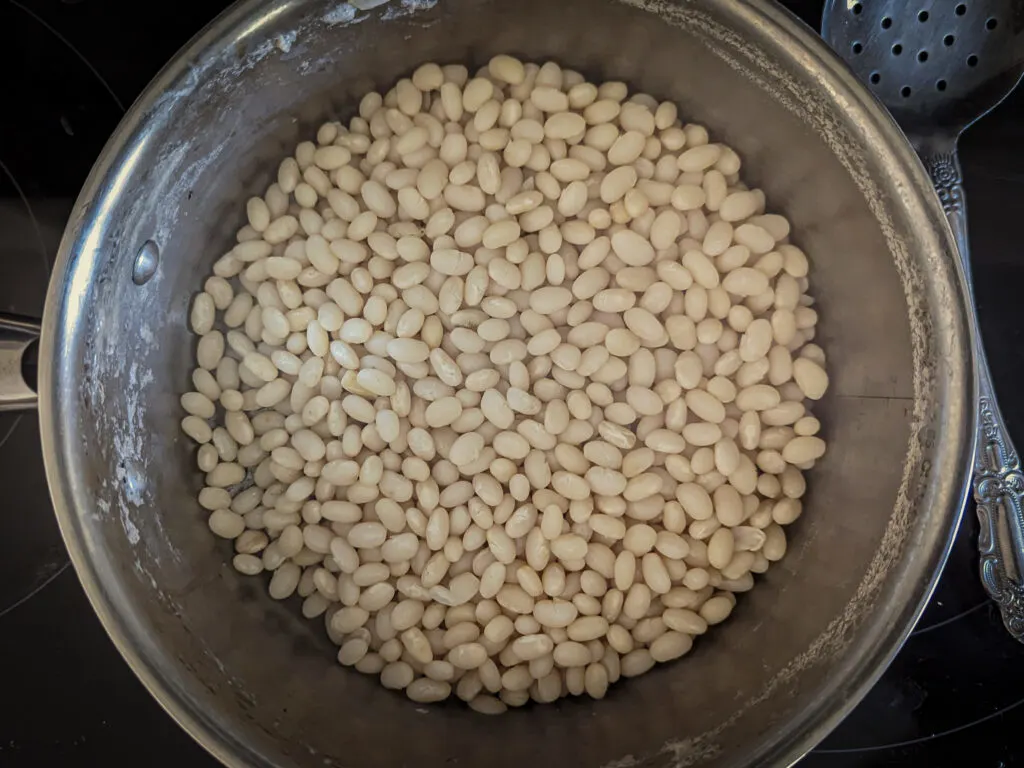
Step 3: Drain the beans and add them to a serving bowl. Toss them with three tablespoons of olive oil, lemon juice, garlic, salt, and pepper. Cover and set them aside for 20 minutes, allowing the flavors to combine.
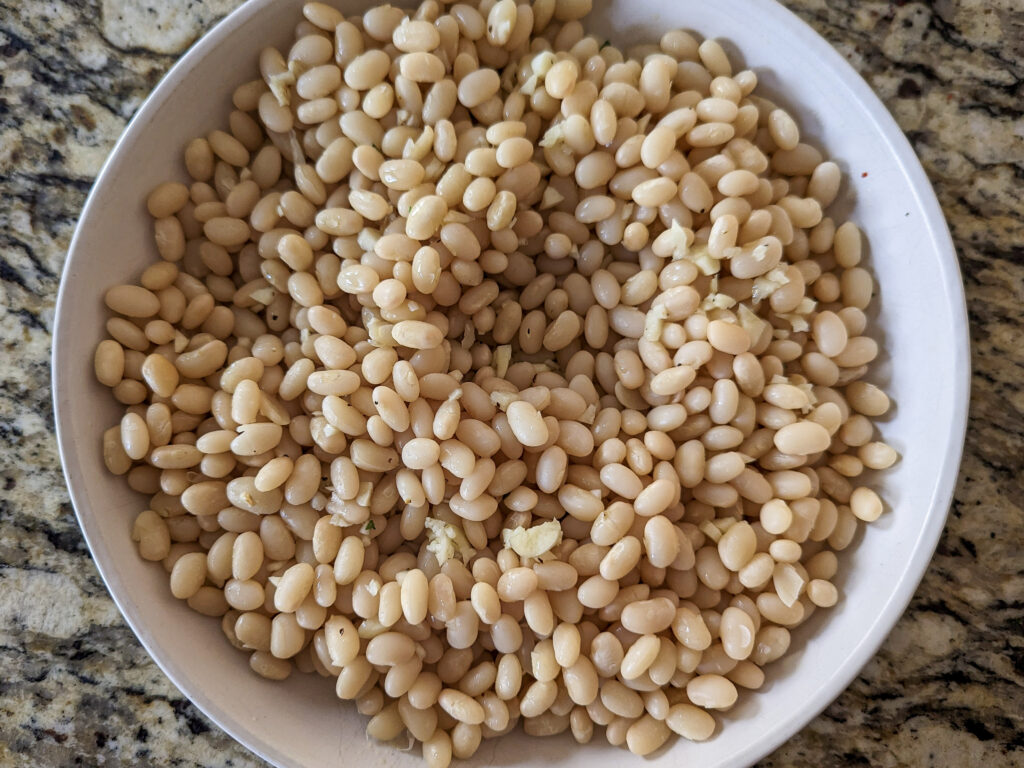
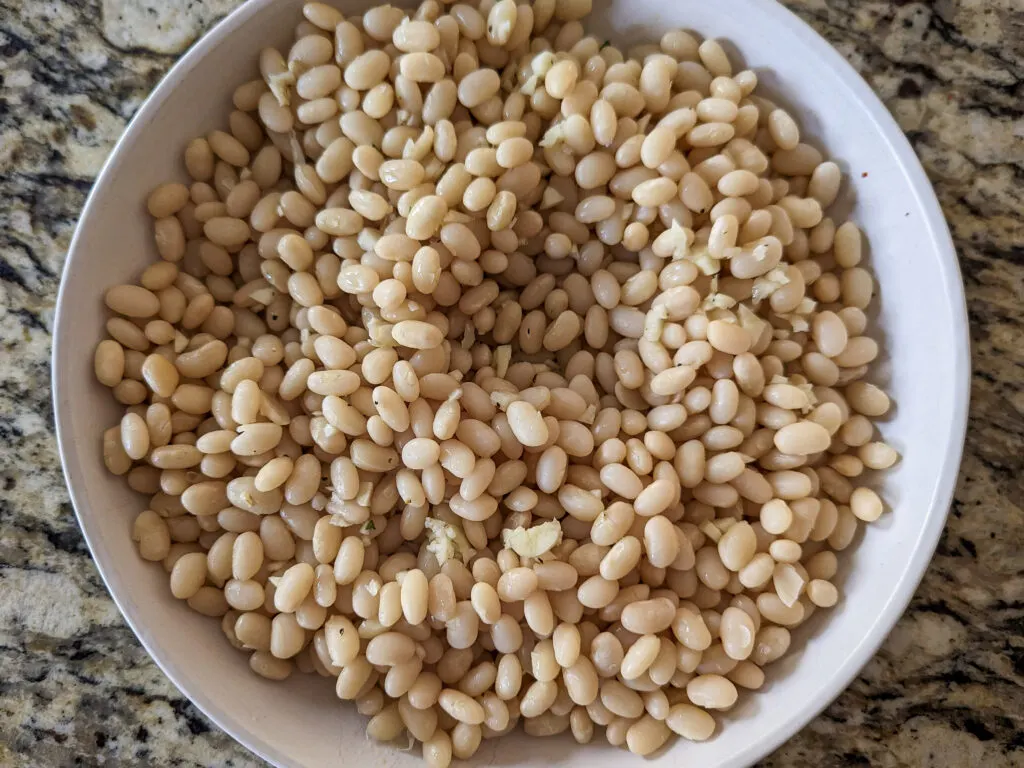
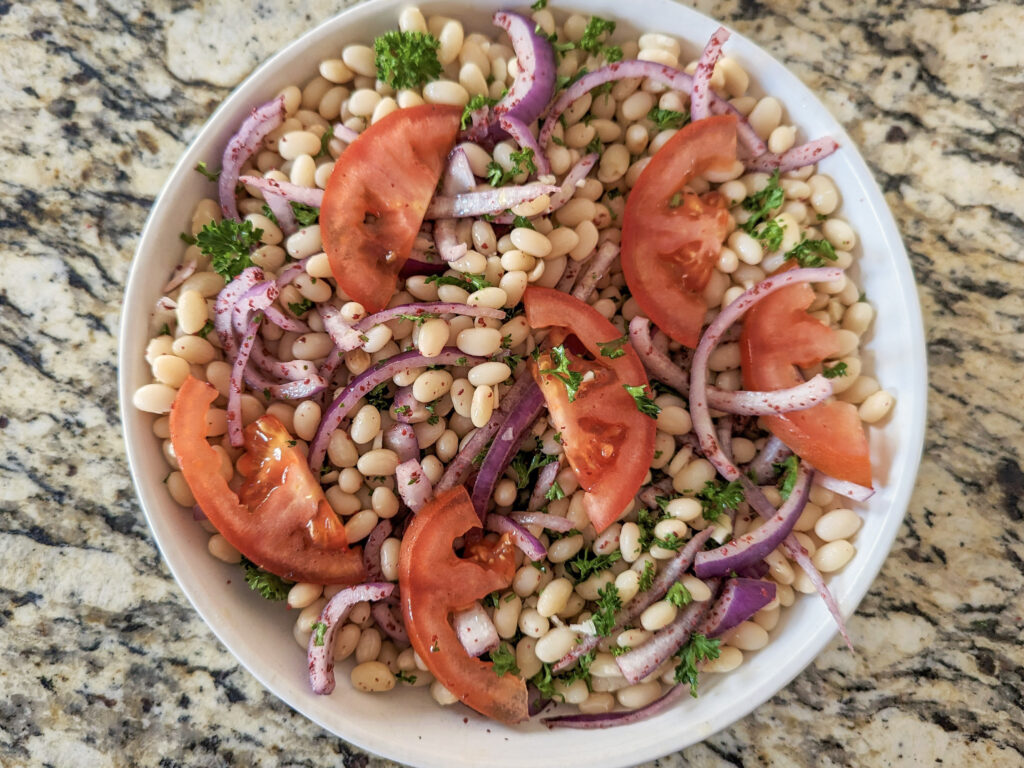
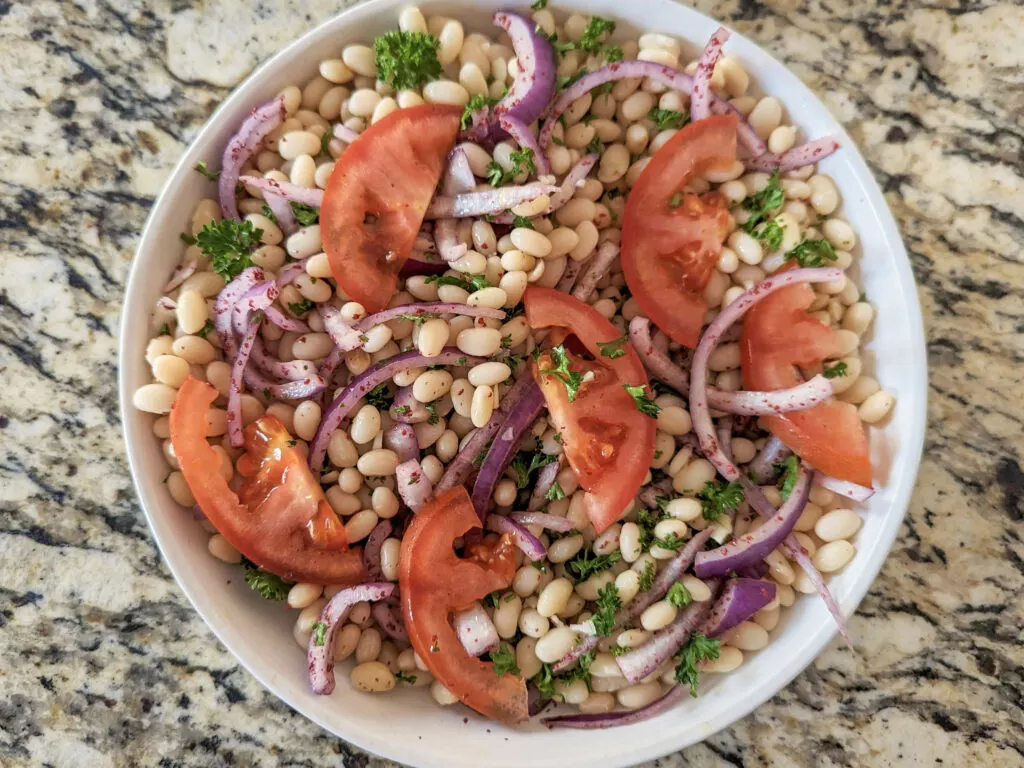
Step 4: Drizzle with two tablespoons of olive oil and garnish with red onion, tomato, parsley, and a sprinkle of sumac to serve.
Expert Tips
- For best results, use quality olive oil and prioritize fresh, dried white beans over canned ones.
- If you’re concerned about the sharpness of onions, I recommend massaging sumac into them before using them in the salad.
Searching for More Like This?
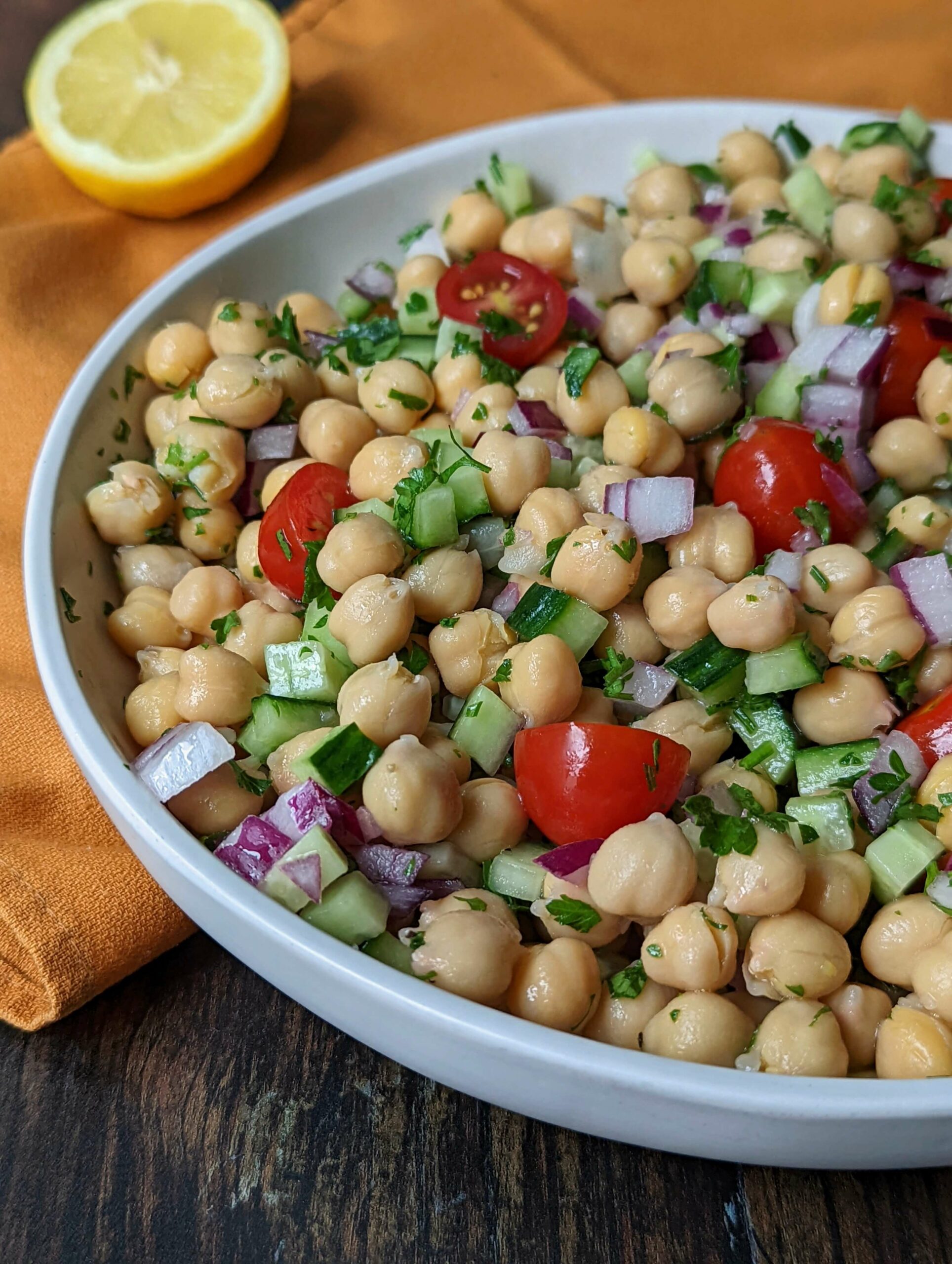
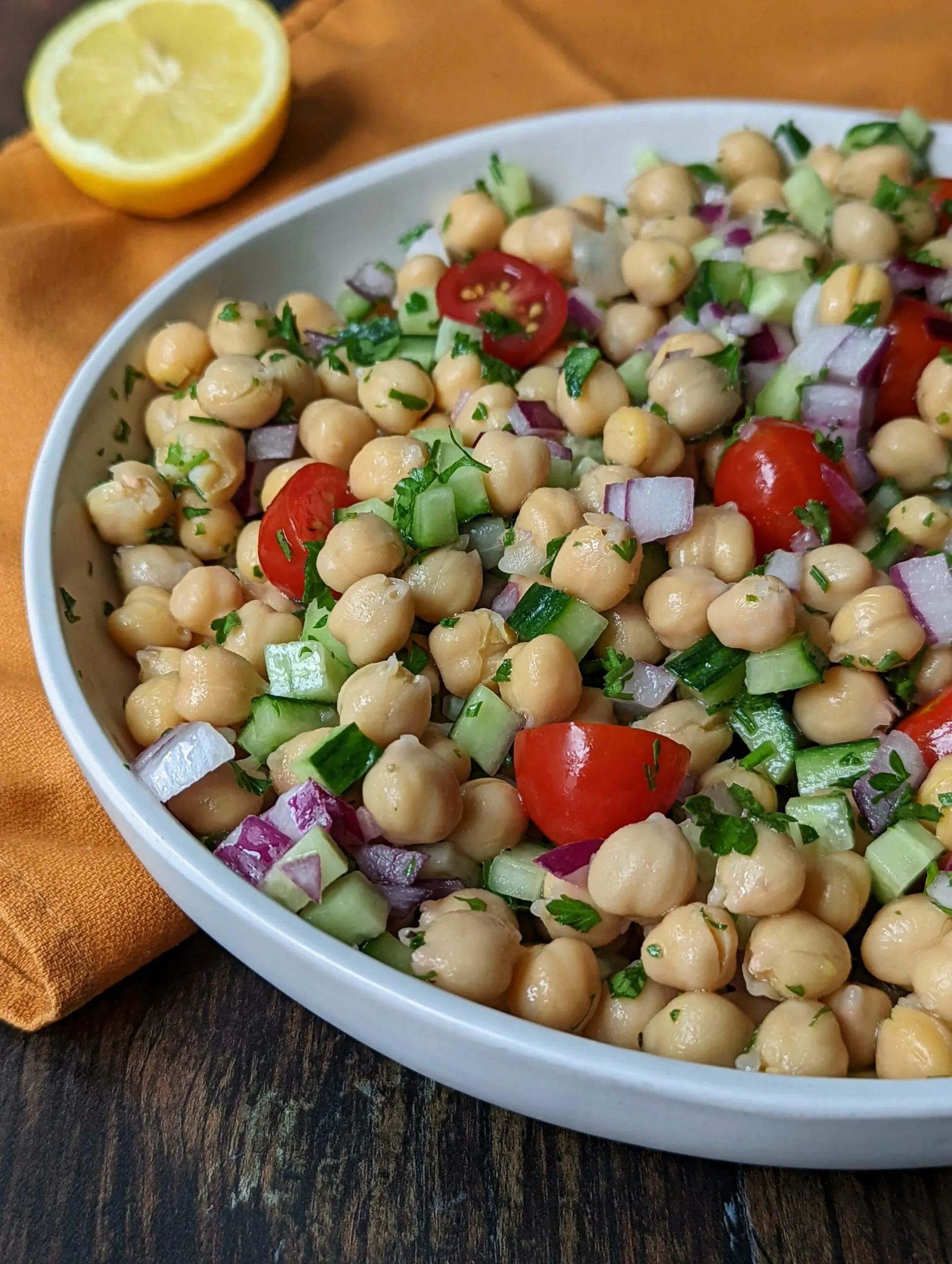
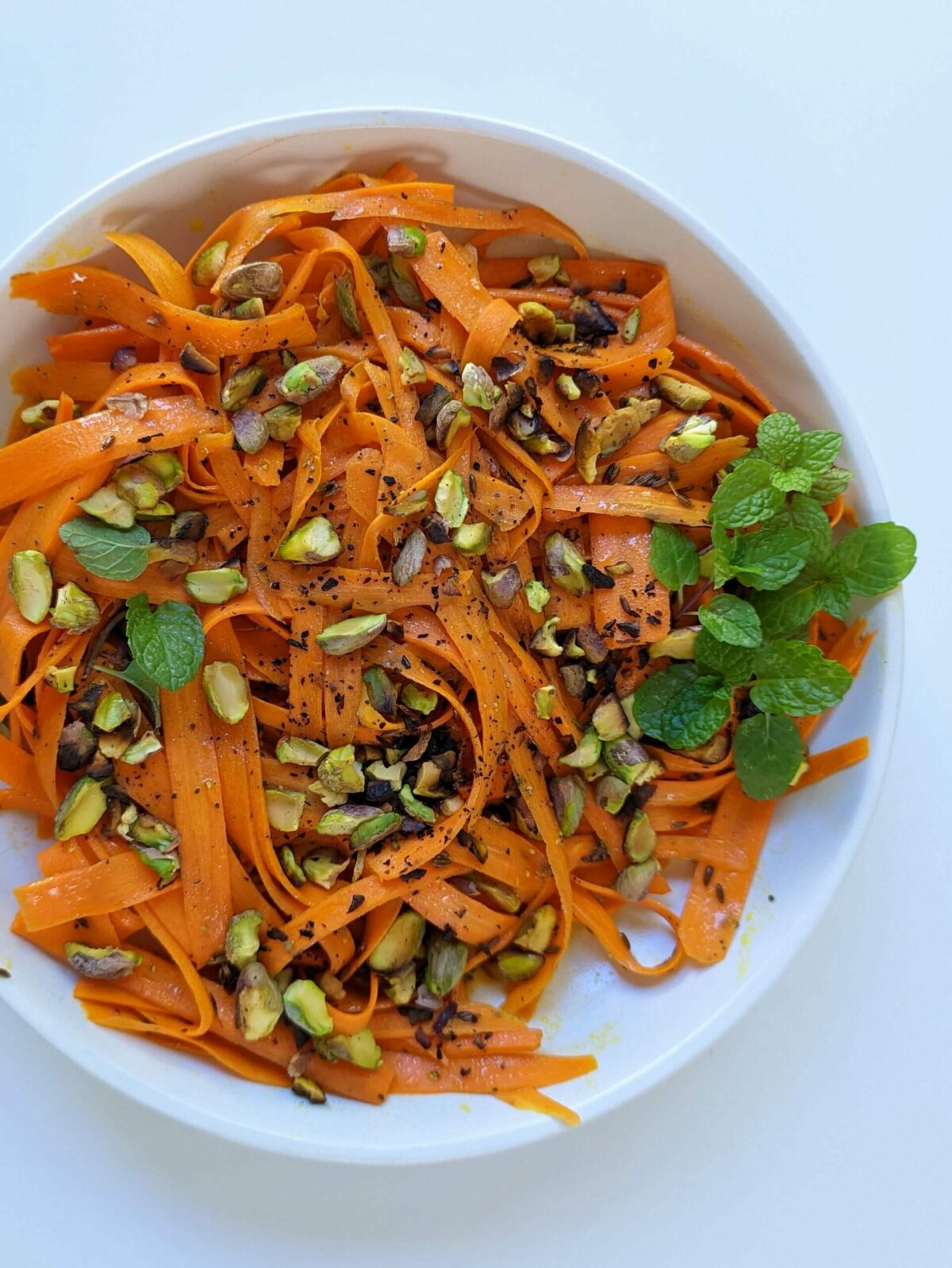
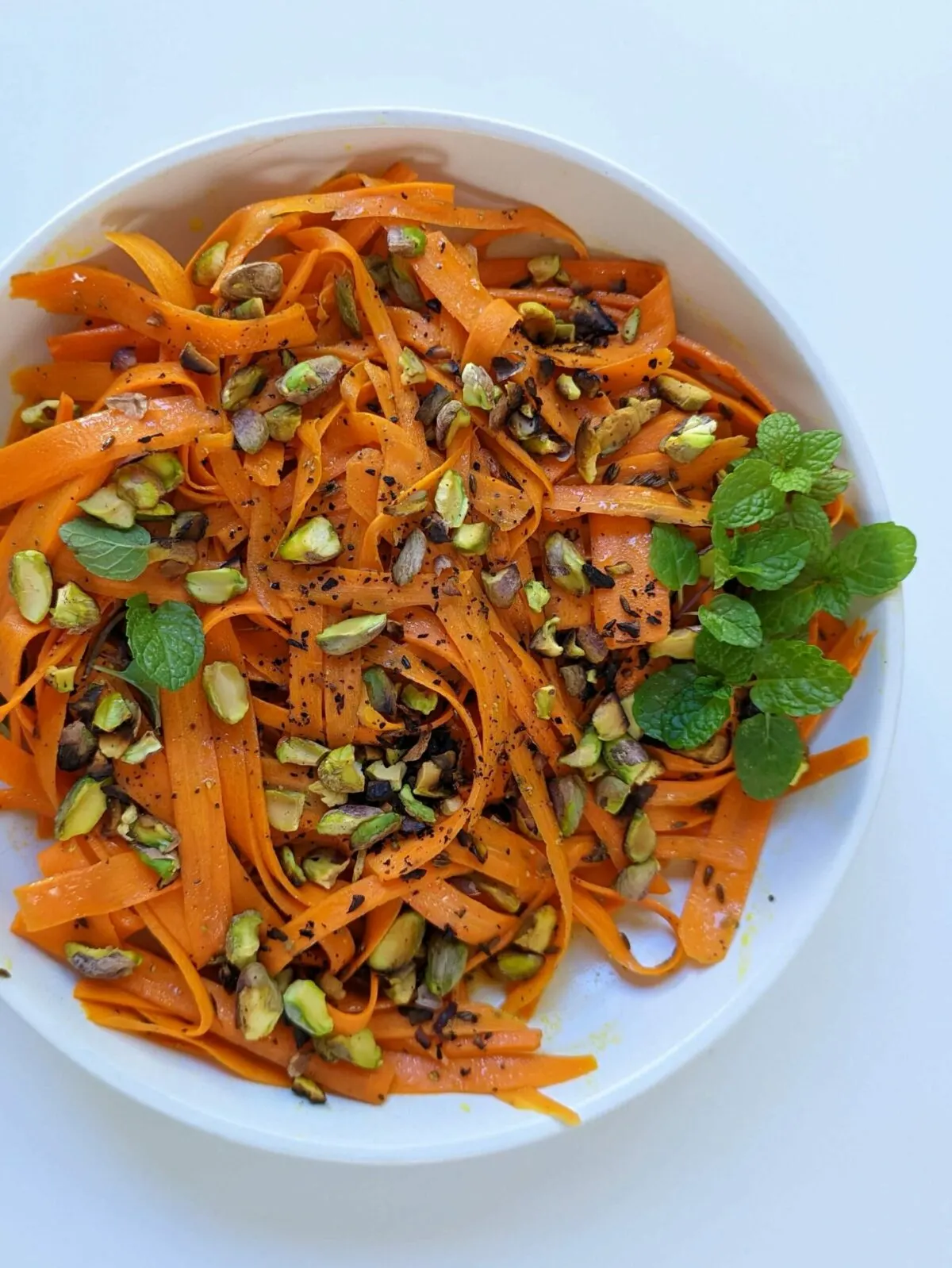
If you love this recipe, try one of these salad favorites!


Serving Suggestions
- Kabobs: Adana Kebab, Koobideh Kabob, Doner Kebabs, Köfte, Joojeh Kabob
- Entrees: Moussaka, Shakshuka, Stuffed Eggplants, Al Faham Chicken
- Wrap: Chicken Shawarma, Falafel Gyro, Tantuni
- Sides: Moong Dal Instant Pot Recipe, Marinated Olives
- Bread: Pita, Lavash, Dutch Oven Sourdough Bread, Air Fryer Pita Chips
What to do With the Leftovers
- Refrigerate – Store the leftovers in an airtight container for 3-5 days.
Frequently Asked Questions
Where is piyaz salad from?
Piyaz is a white bean salad from Turkey, but it’s a central dish in other countries, each with its own variation.
Can I make this salad ahead of time?
For best results, prepare the salad up to 5 days before serving it. The longer it sits, the more the ingredients have a chance to combine – it’s delicious!
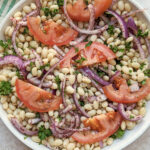

Piyaz (Turkish White Bean Salad)
- 9 ounces white beans, dried
- 5 tablespoons olive oil, divided
- 1 tablespoon lemon juice
- 1 clove garlic, minced
- ½ teaspoon sea salt
- ¼ teaspoon black pepper
- ½ medium red onion, thinly sliced
- ½ medium tomato, vine-ripe
- ¼ cup parsley, flat-leaf, chopped
- sprinkle sumac
- If using dry beans, rinse and soak them in water overnight.
- Drain the white beans and place them into a stockpot. Fill the pot with water until it covers the beans. Bring to a boil over medium heat, then cook for 5 minutes.
- Skim the water and discard any foam from the top. Reduce the heat and simmer for 30-45 minutes until the beans soften.
- Drain the beans and add them to a serving bowl. Toss them with three tablespoons of olive oil, lemon juice, garlic, salt, and pepper. Cover and set them aside for 20 minutes, allowing the flavors to combine.
- Drizzle with two tablespoons of olive oil and garnish with red onion, tomato, parsley, and a sprinkle of sumac to serve.
- For best results, use quality olive oil and prioritize fresh, dried white beans over canned ones.
- If you’re concerned about the sharpness of onions, I recommend massaging sumac into them before using them in the salad.
- The nutritional information shown is an estimate provided by an online nutrition calculator. It should not be considered a substitute for professional advice.