
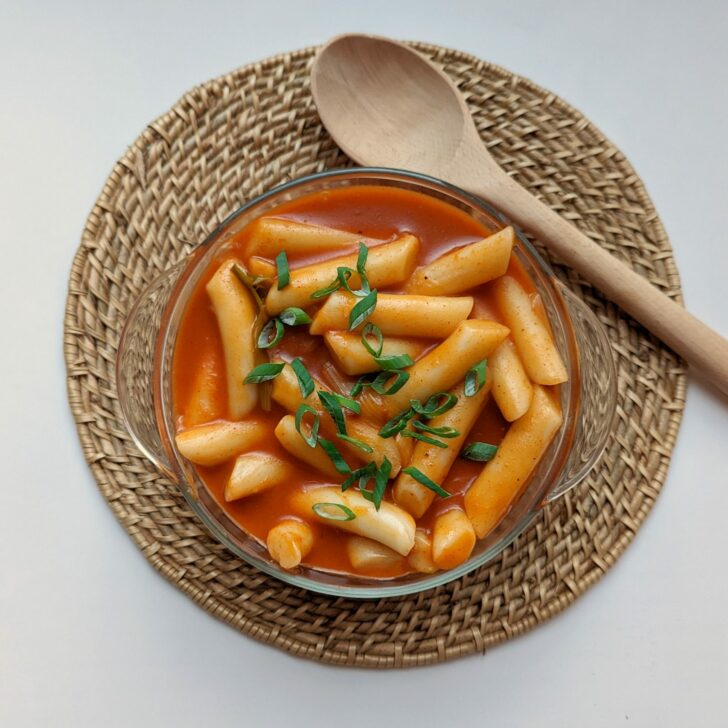
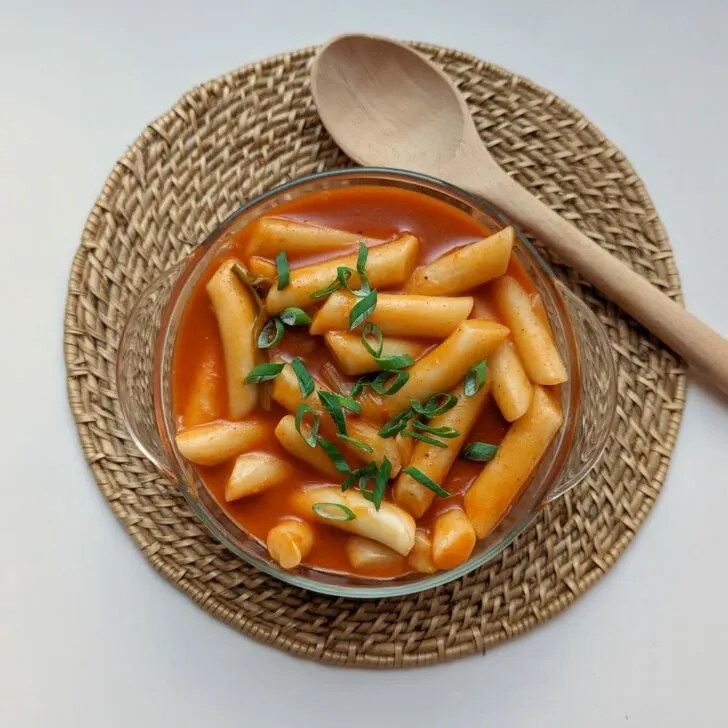
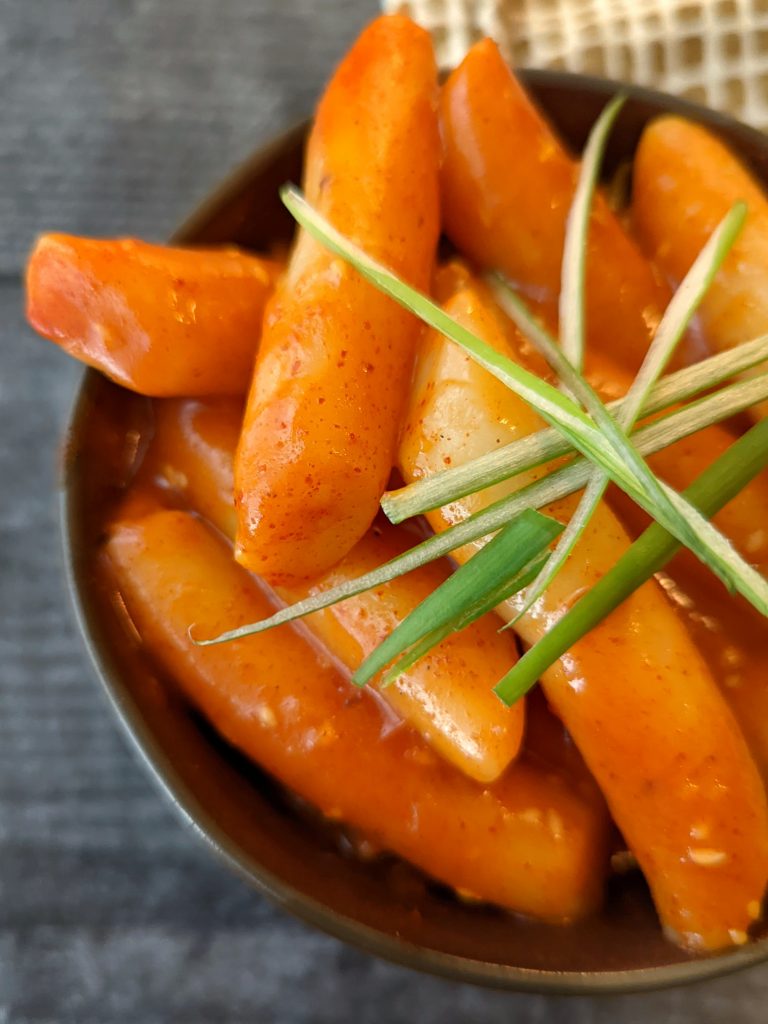
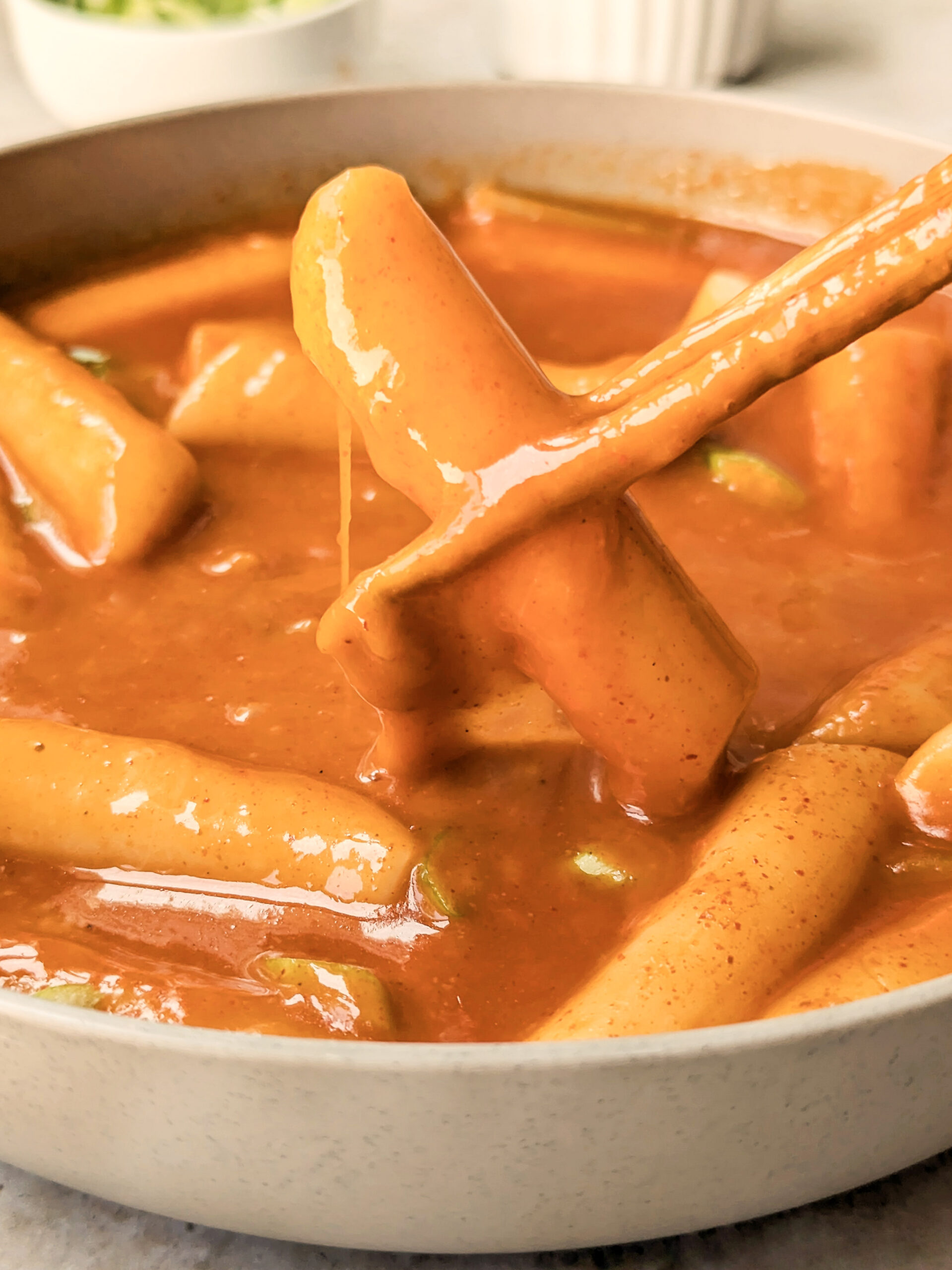
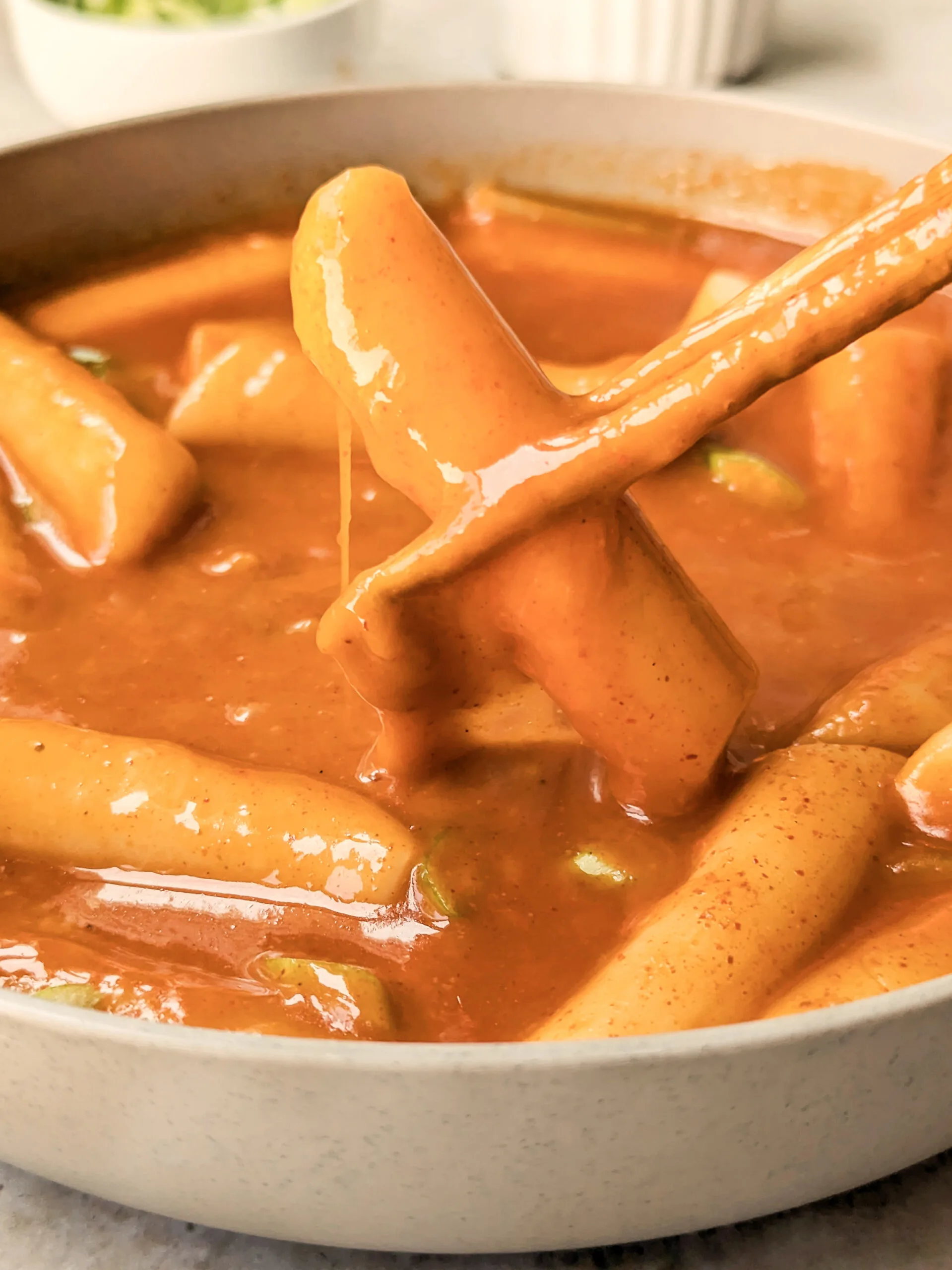
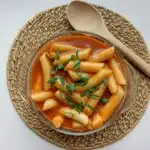
Chewy, bouncy rice cakes, or tteokbokki simmer in a sweet and spicy sauce flavored with gochugaru and gochujang to make this Korean tteokbokki recipe you’ll crave.
All About Tteokbokki
My affinity for tteokbokki began several years ago in a small Korean restaurant in Flagstaff, Arizona. My husband and I sat down with friends from Burma and Malaysia for a family-style meal. I fell in love with Korean food that day – piping hot stews, galbi, pungent kimchi, spices, and colorful banchan contribute to the fondness of my memory.
A spicy dish with the most intriguing texture stood out among the rest. For years, the chewiness of the rice cakes resided in my mind with no way to try it again, all because I didn’t have the foresight to ask my friends the name of the plate. Last year, I made it my mission to track down the dish, learn what I could about it, and make it at home. Well, friends, this easy tteokbokki recipe is the product of my long and rewarding journey.
What is Tteokbokki?
Tteokbokki means stir-fried rice cakes; tteok is the word for rice cake and bokki means fried. Other names for the dish are dukbokki, topokki, or ddeokbokki. Yet, they all refer to the same popular Korean street food; savory rice cakes stew in an umami-rich broth and simmer in a spicy and sweet sauce for a tasty comfort meal you’ll love. For a more traditional approach, check out Maangchi. She is fun to watch and teach the ins and outs of cooking Korean cuisine.
What You Need to Make this Recipe
- Fish Sauce: Anchovy stock made using dried kelp and dried anchovies traditionally flavor tteokbokki; out of ease, I use chicken bouillon and fish sauce as a broth in this recipe. If you want to try out anchovy stock without all the hassle of making it from scratch you can buy one of these packets.
- Better than Bouillon: Bouillon, water, and fish sauce create a simple broth for the rice cakes to cook; use chicken stock if you prefer; I use Better than Bouillon since it’s a staple in my home.
- Rice Cakes: Chewy rice cakes or garae-tteok take on a slightly sweet flavor to balance the spice when cooked. You can use fresh, refrigerated, or frozen rice cakes in this recipe, but fresh rice cakes are always the best!
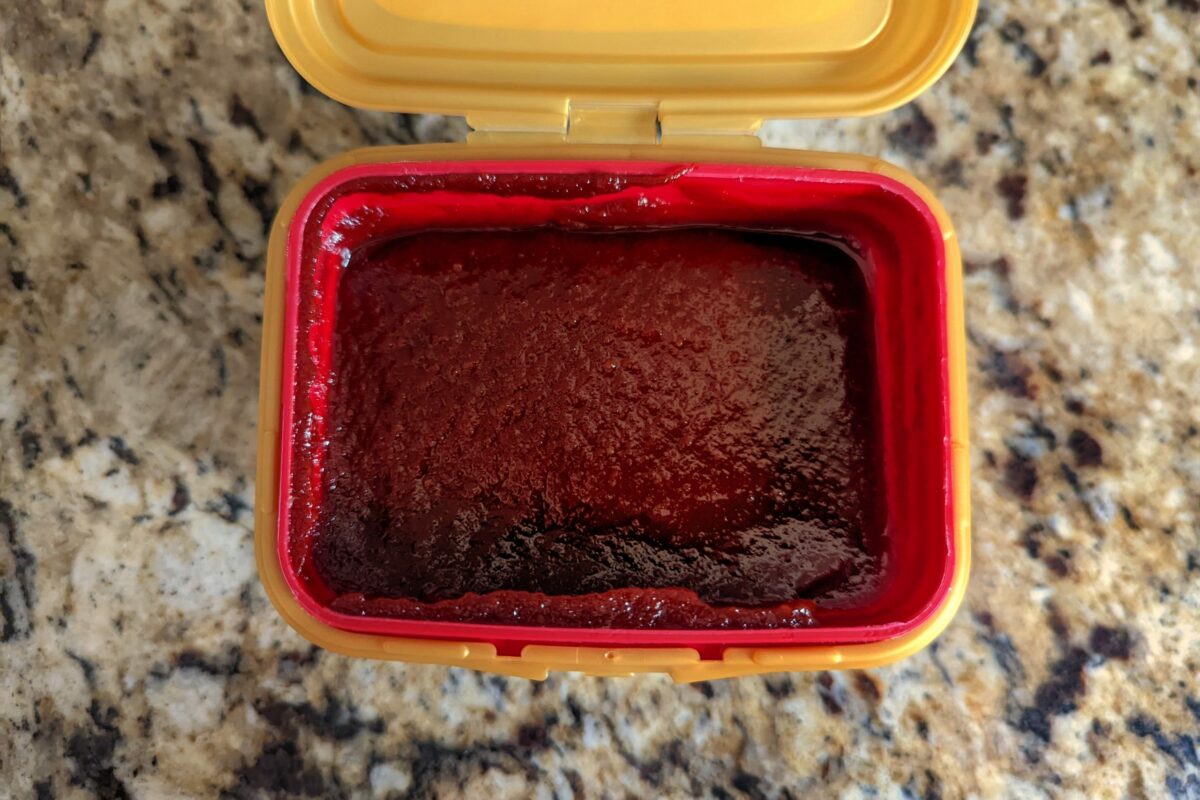
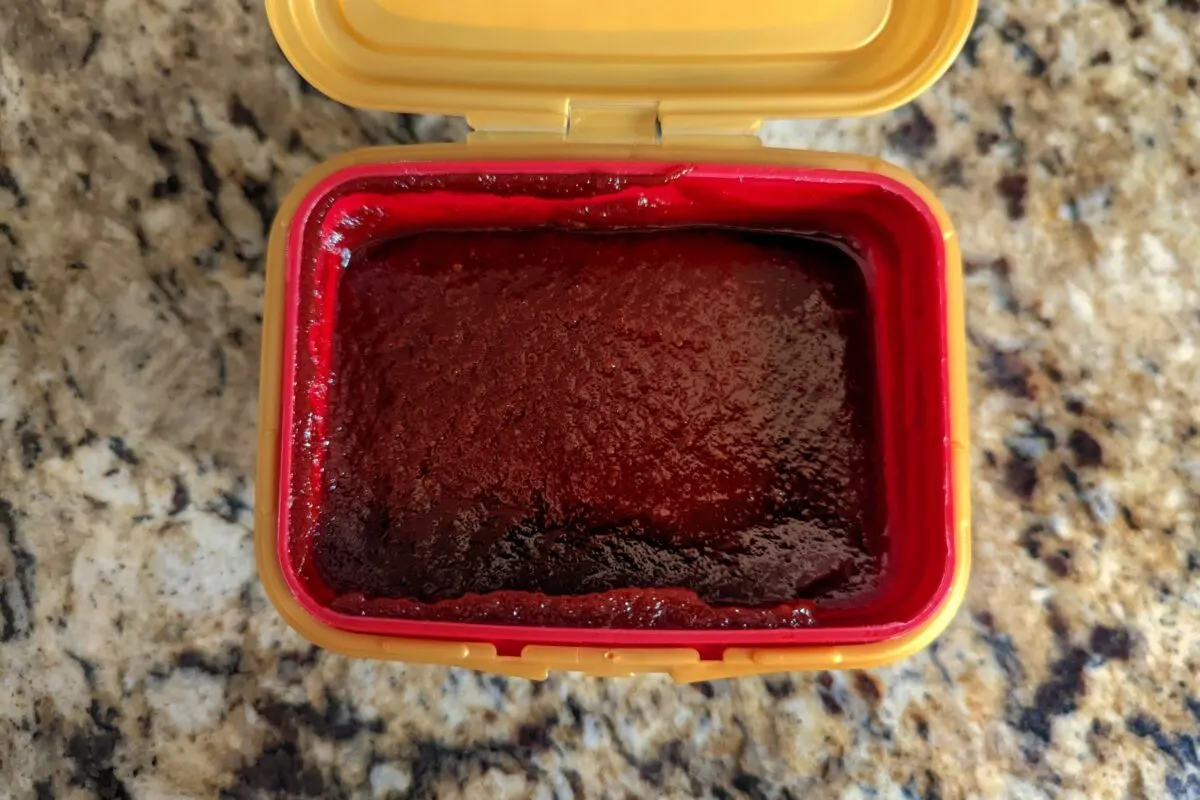
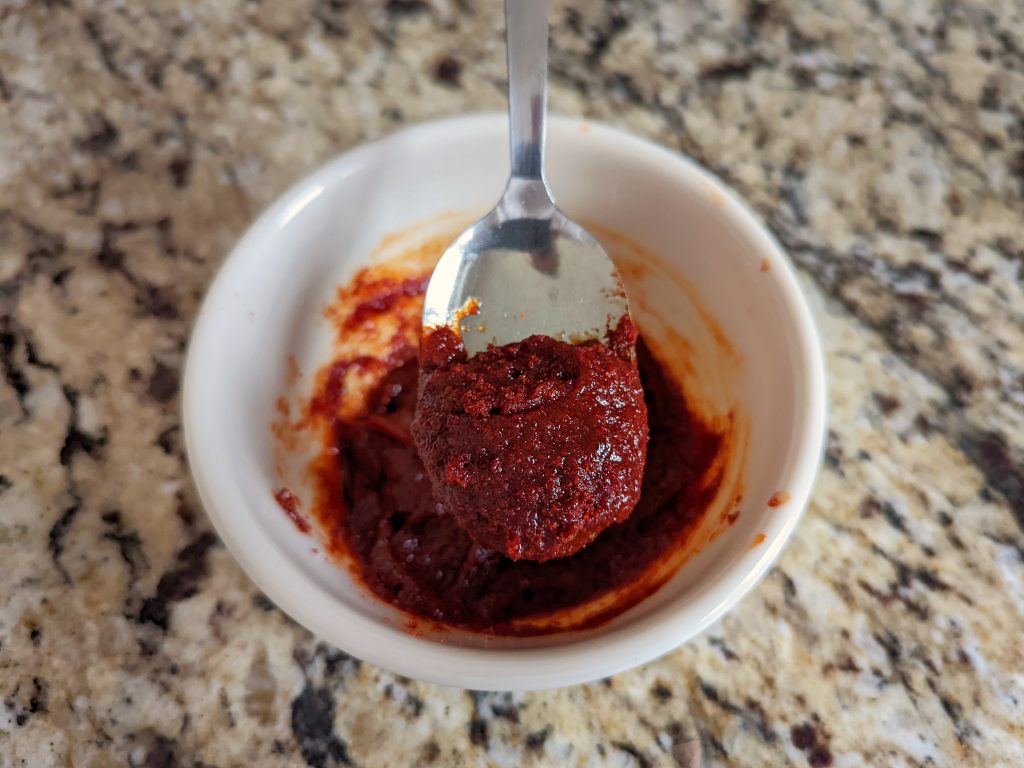
- Gochujang: Korean pepper paste called gochujang is frequently used in Korean cuisine to add sweet heat to a recipe; this paste is made with red pepper flakes, sticky rice, fermented soybean paste, and salt.
- Gochugaru: Adding heat and a slightly smoky fragrance, dried and deseeded chili peppers are the main ingredients in another Korean staple called gochugaru, or Korean chili flakes. Check the container for spice level; they are usually labeled in mild, medium, or hot to fit your specific need.
- Sugar: Sugar offsets the heat and thickens the broth.
- Scallions: Scallion whites cook in the umami-rich broth along with the tteok, whereas the scallion greens add a peppery finish.
Additions and Substitutions
- If you’re using dried rice cakes, soak them in cold water for about 30 minutes (but at least 10 minutes) before cooking; this will help them to soften and ensure even cooking.
- The spiciness of tteokbokki comes from gochujang (Korean red pepper paste) and gochugaru (Korean red pepper flakes). Adjust the amount of each to your taste preferences. If you prefer a milder version, reduce the amount of each and add more sugar.
- Check the consistency of the rice cakes – the tteokbokki should be soft and bouncy; if the rice cakes aren’t that consistency after 15 minutes, continue cooking for another couple of minutes, but be careful because overcooking them can make the tteok too mushy.
- Add the cheese at the end of the cooking process. Turn off the heat and let the residual heat melt the cheese. Putting the lid on the skillet or pot helps the cheese melt evenly.
How to Make Tteokbokki
The full recipe with measurements is in the recipe card below.
Step 1: Soak frozen or packaged rice cakes in hot water for 10 minutes; drain and set them aside. If using fresh rice cakes, you may skip this step.
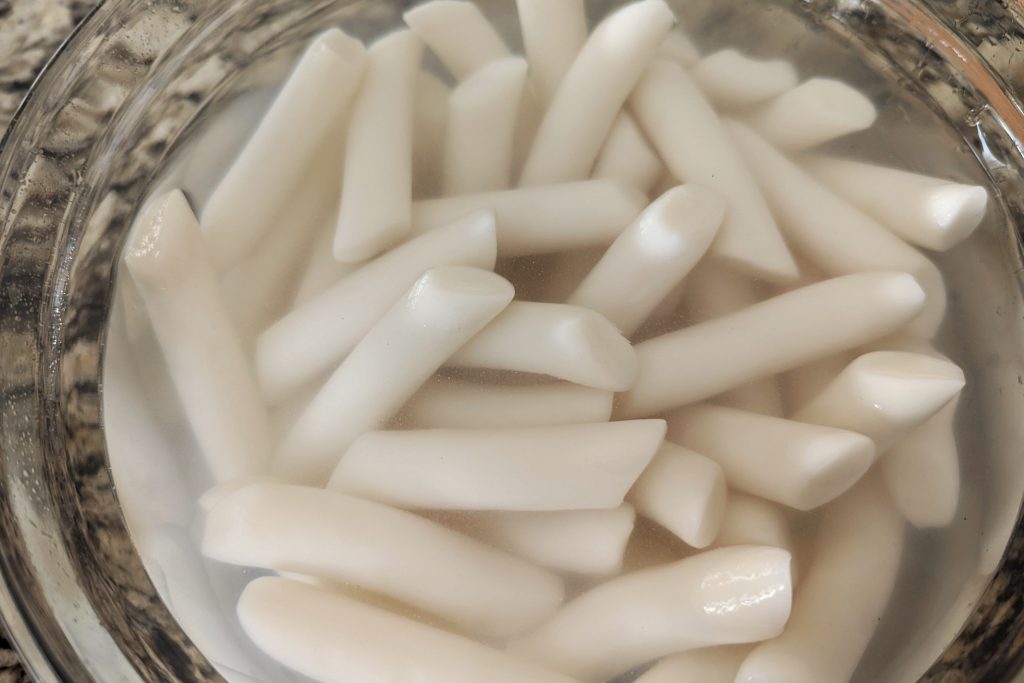
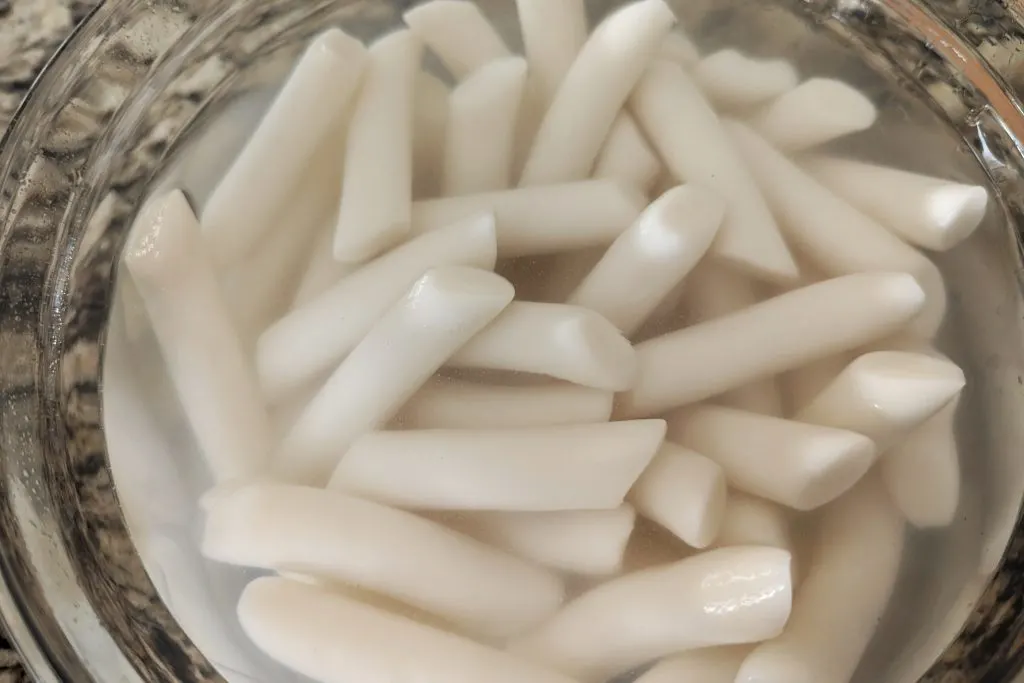
Step 2: Add water, fish sauce, and Better than Bouillon to a saucepan; over medium-high heat, allow the broth to boil uncovered for 8 minutes.
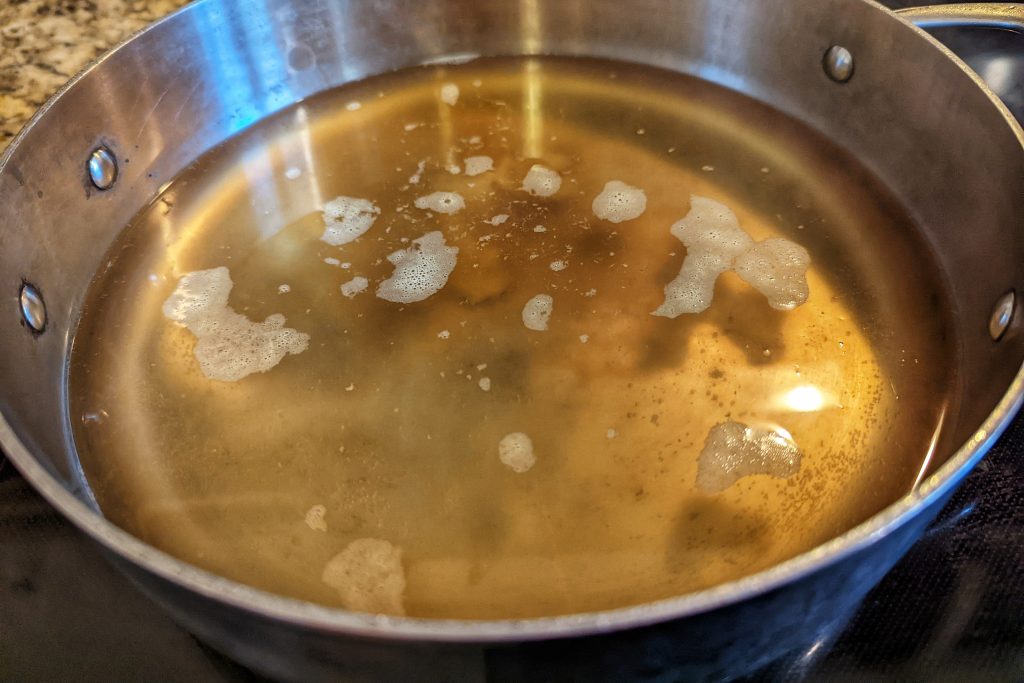
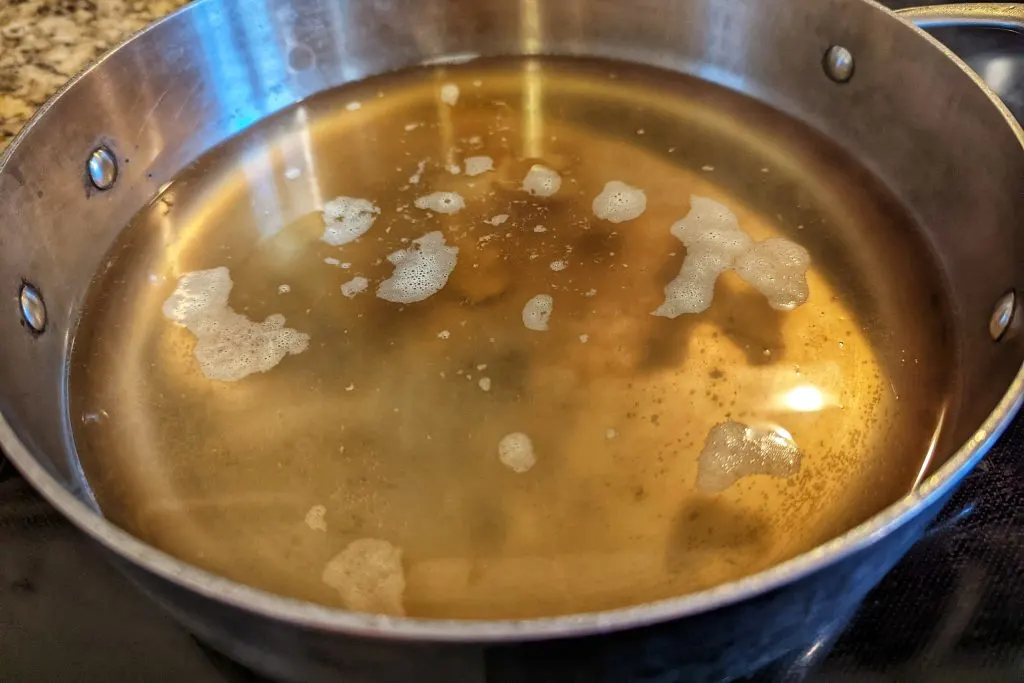
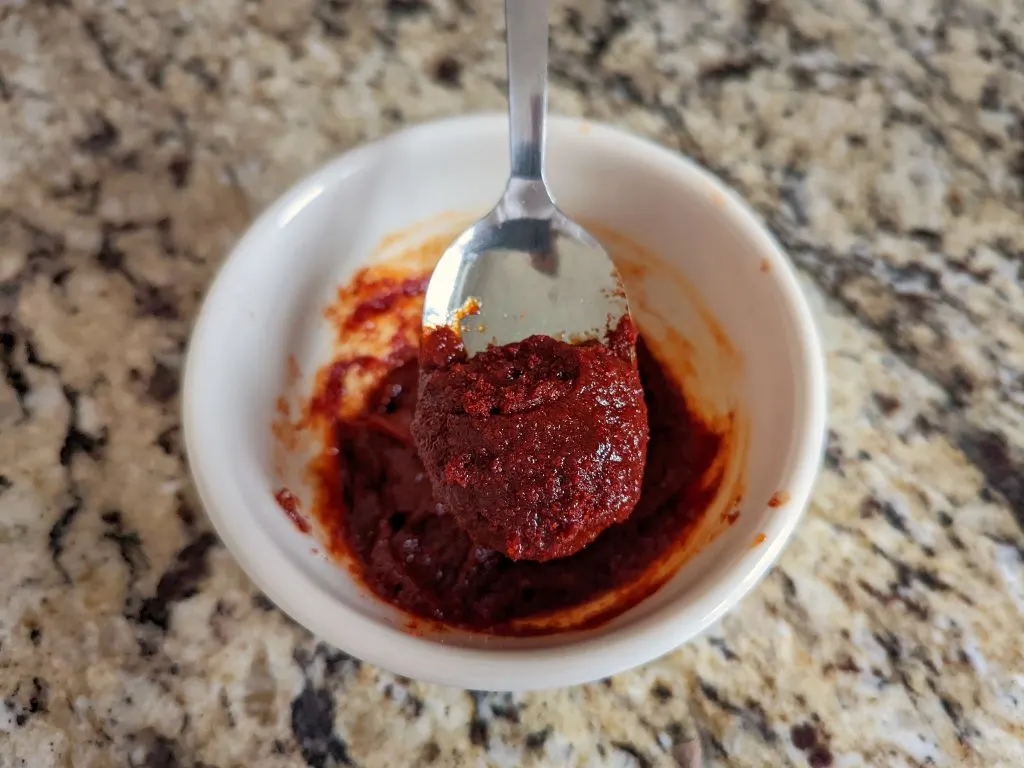
Step 3: Combine gochujang, gochugaru, and sugar, then add them to the saucepan.
Step 4: Add the rice cakes and scallion greens to the pan with the broth. Reduce the heat and simmer. Maintain a gentle bubble for 15 minutes until the sauce thickens; stir frequently.
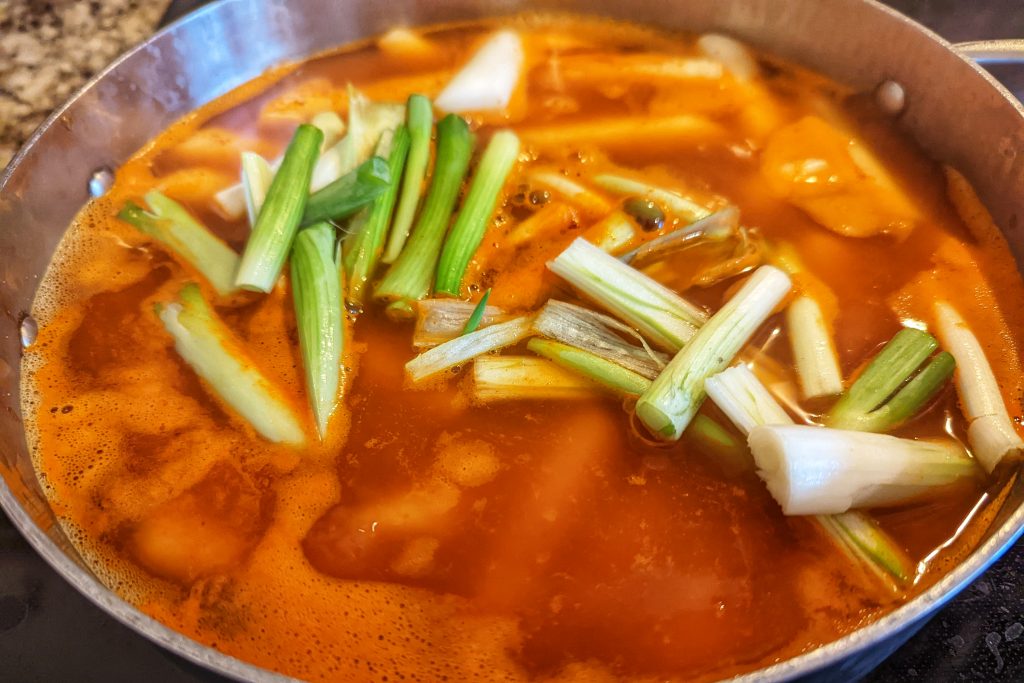
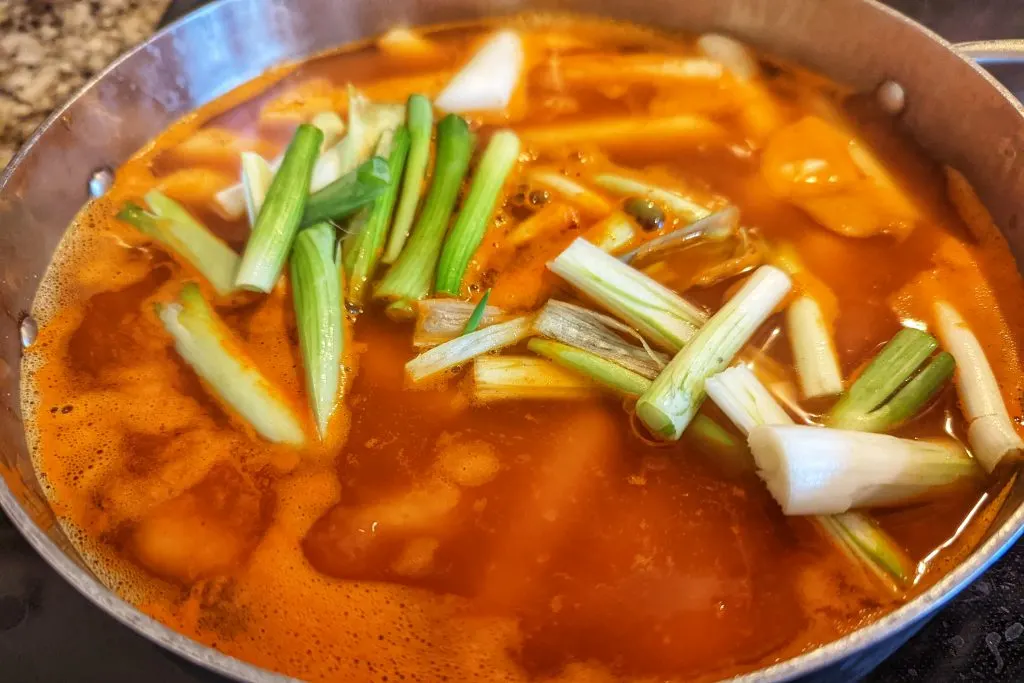
Step 5: Check the consistency; rice cakes should be soft and bouncy.
If they haven’t reached the desired consistency, continue cooking and add more water if needed. Garnish with scallions greens to serve.
Expert Tips
- To maintain the bounciness of the rice cakes, remove them from heat as soon as the sauce thickens and serve immediately
Searching for More Like This?
If you love this recipe, try one of these dinner favorites!
Serving Suggestions
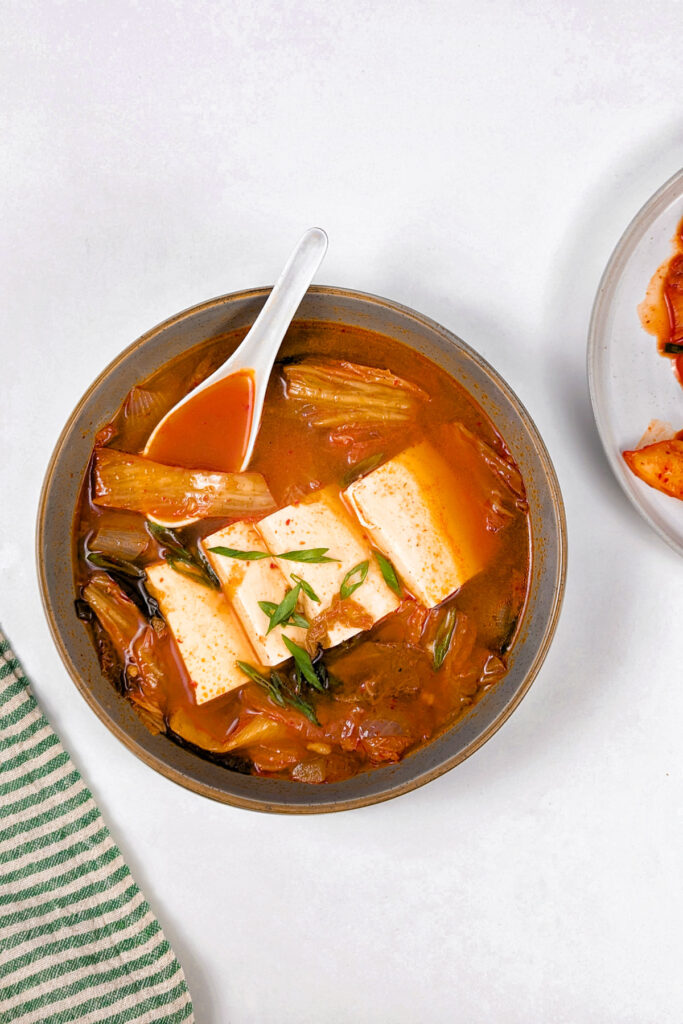
- Vegetarian Kimchi Jjigae
- Doenjang Jiigae
- Banchan: spicy cucumber kimchi, spinach, bean sprouts, and cabbage kimchi.
- Twigim
- Kimbap
- Soondae
What to do With the Leftovers
- Refrigerate – Store leftovers in an airtight container; it will keep in the fridge for 1-2 days.
- Reheat – Once refrigerated, tteokbokki hardens; I recommend adding a small amount of water before warming it on the stovetop for the best results. You may reheat the rice cakes in the microwave, but they will become dense and hard to chew.
- Repurpose – Add the leftovers rice cakes to ramen or stew.
Frequently Asked Questions
Where can I buy rice cakes?
You will find fish cakes at your local Korean or Asian market; they come freshly made, refrigerated, and frozen. I live near an H-mart, a popular Korean chain, and they always have them on hand. Another place to look is Whole Foods.
Is tteokbokki spicy?
I understand that not everyone handles spice the same way; to err on the side of caution, I would say tteokbokki is pretty spicy.
If you have low tolerance, reduce the amount of gochujang and eliminate the gochugaru. You can also increase the bouillon or add sugar to create more balance.
Is this recipe vegetarian? Is it vegan?
To make this recipe vegetarian and vegan, use Vegetable Better Than Bouillon and either Marmite or vegan fish sauce to flavor the broth.
How are rice cakes made, and what is tteokbokki made of?

Garaetteok is a combination of rice flour, tapioca flour, and salt; tapioca flour lend rice cakes their signature chewiness.
More International Dinner Ideas:
Tteokbokki
- 1 bag rice cakes, cylinder-shaped
- 4 cups water
- 2 tablespoon fish sauce
- 1 teaspoon Chicken Better than Bouillon
- 7 scallions, whites, and greens separated; whites cut into 2-inch pieces, and greens thinly sliced
- Soak frozen or packaged rice cakes in hot water for 10 minutes; drain and set them aside. If using fresh rice cakes, you may skip this step.
- Add water, fish sauce, and Better than Bouillon to a saucepan; over medium-high heat, allow the broth to boil uncovered for 8 minutes.
- Combine gochujang, gochugaru, and sugar, then add them to the saucepan.
- Add the rice cakes and scallion greens to the pan with the broth. Reduce the heat and simmer. Maintain a gentle bubble for 15 minutes until the sauce thickens; stir frequently.
- Check the consistency; rice cakes should be soft and bouncy. If they haven’t reached the desired consistency, continue cooking and add more water if needed.
- Garnish with scallions greens to serve.
- To maintain the bounciness of the rice cakes, remove them from heat as soon as the sauce thickens and serve immediately
- The nutritional information shown is an estimate provided by an online nutrition calculator. It should not be considered a substitute for professional advice.
Sarah Hernandez
Thursday 16th of February 2023
I tried this tteokbokki recipe and it was amazing! The sauce was the perfect balance of sweet and spicy, and the rice cakes were perfectly chewy. It's a new favorite in our house. Thank you for sharing
Giangi
Monday 23rd of May 2022
I just now started enjoying Korean food, not that many great restaurants in my area. Love your in-depth explanation, thank you. It makes my journey to make it easier.
Tressa - Jamil Ghar Team
Monday 23rd of May 2022
I love that you're trying your hand at making Korean cuisine; you'll have to let me know once you've made it.
fede
Monday 23rd of May 2022
I never had homemade Tteokbokki, this was super delicious and easy to make.
Tressa Jamil
Sunday 12th of June 2022
I am so glad you could try it for the first time!
Olga
Monday 23rd of May 2022
Looks so so good! I bet this is delicious! Thanks for sharing this recipe!
Tressa Jamil
Sunday 12th of June 2022
Thank you, be sure to let us know what you think when you've made it.
Elizabeth
Monday 23rd of May 2022
This was super flavorful. I loved how easy it was too. Definitely will make again.
Tressa - Jamil Ghar Team
Monday 23rd of May 2022
I am glad you enjoyed it! Thanks for taking a moment to comment.